
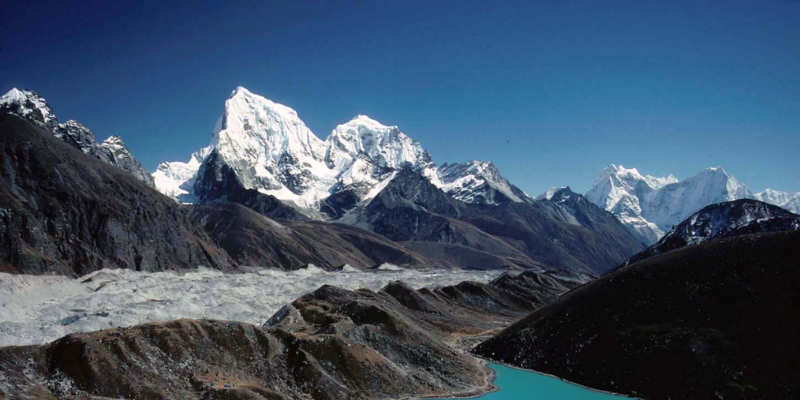
Best Time to Trek Nar Phu Valley: Seasonal Guide for 2026/2027
If you’re dreaming of a Himalayan adventure that feels like stepping into another world, the Nar Phu Valley Trek should be high on your list. Nestled in the remote northern Manang district of Nepal, this 19-day journey (starting in Kathmandu and ending in Muktinath) takes you through dramatic landscapes, high mountain passes, and ancient Tibetan‑style villages. But when is the best time to do it? Let’s break down the seasonal guide for 2026/2027, so you can pick the perfect window for your trip with Destination Unlimited Treks.
Why the Timing Matters
Nar Phu Valley isn’t your average trek — high-altitude passes (like Kang La at ~5,320 m and Thorong La at ~5,416 m), remote settlements, and fragile Himalayan weather mean that the season you choose can dramatically affect your experience. The right time can bring clear skies, cultural richness, and good trail conditions. The wrong time? Risk of snow, limited visibility, or even closed passes.
Seasonal Breakdown: When to Go
Here’s a detailed look at each trekking season, with pros, challenges, and what to expect in Nar Phu Valley.
1. Spring (March – May)
Why Go in Spring
- This is one of the best seasons for trekking Nar Phu Valley.
- Temperatures are mild, often between 10°C–20°C in lower regions.
- Wildflowers bloom, especially rhododendrons, which color the paths with pink, red, and white hues.
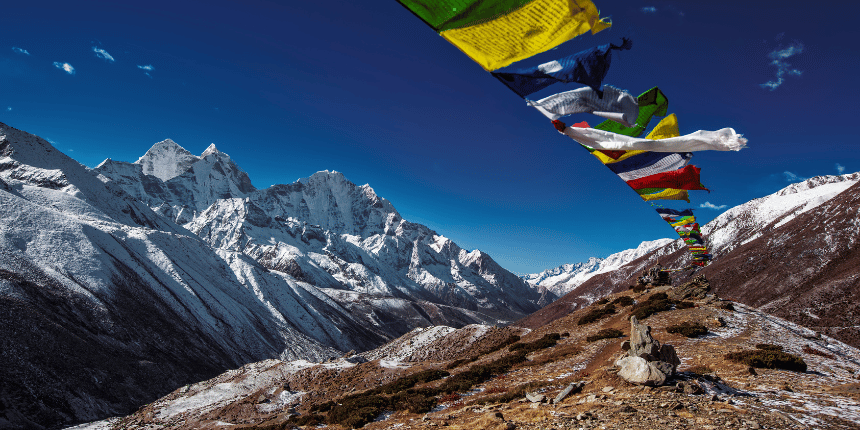
- Mountain views tend to be very clear, with good visibility of peaks like Himlung, Annapurna II, and Kangaru.
- Longer daylight hours give you more time to hike and enjoy the scenery.
Cultural Highlights
- In some years, you might catch Losar (Tibetan New Year) if the lunar calendar aligns.
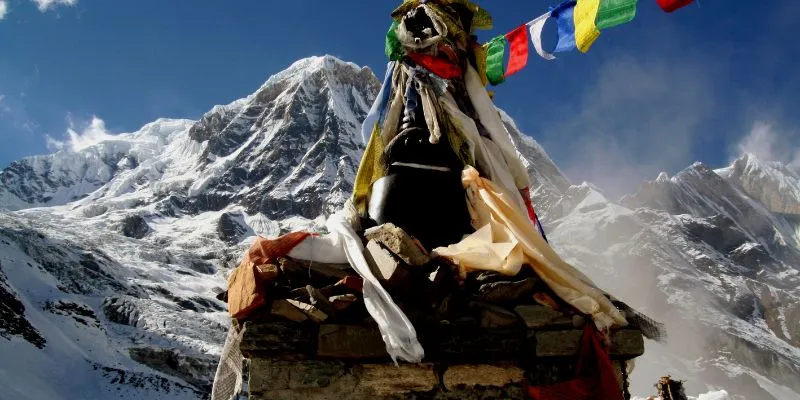
- Local monasteries in Phu and Nar may be active, with rituals or pujas that provide deep cultural insight.
Challenges
- Early spring (March) can still have lingering snow on high passes like Kang La.
- Nights and mornings will likely be cold — you’ll need warm layers and a good sleeping bag.
Verdict for 2026/2027
If you trek in March, you’ll enjoy serenity, fewer crowds, and the first blooms of spring (though snow lingers). April and May are peak for wildflowers, stable weather, and ideal for high pass crossings.
2. Summer / Monsoon (June – Mid‑September)
General Conditions
- This is Nepal’s monsoon season — heavy rain, high humidity, and possible landslides.
- Lower trails can become muddy, slippery, and less reliable.
- However, Nar Phu sits in a partial rain-shadow, meaning it sometimes receives less rain than other regions.
Pros
- Lush green valleys and dramatic waterfalls.
- Fewer trekkers — more solitude.
- Unique monsoon lighting and dramatic skies.
Risks / Drawbacks
- Trails may be risky; stream crossings can swell.
- Visibility often suffers; mountain vistas might be obscured by clouds.
- Some teahouses or lodges may be closed or operate on a limited basis.
- Leech risk in forested or lower regions.
Verdict for 2026/2027
Monsoon is not generally recommended for the Nar Phu trek unless you're a very seasoned trekker, comfortable with remote, unpredictable conditions, and willing to weather the elements for the solitude and lush scenery.
3. Autumn (Mid‑September – November)
Why Autumn Is a Top Choice
- Considered the peak trekking season for most of Nepal, including Nar Phu Valley.
- Clear skies, stable weather, and excellent mountain visibility — perfect for photography.
- Temperatures are comfortable during the day (around 5–15°C at higher altitudes) and n
- Trails are dry, making high pass crossings like Kang La and Thorong La more manageable.
Cultural & Festival Perks
- Depending on the year, you may experience Dashain or Tihar, two of Nepal’s biggest festivals — adding cultural richness to your trek.
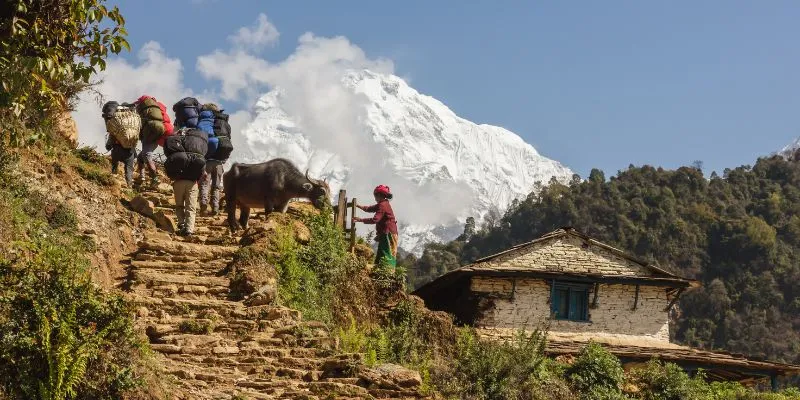
- The villages of Nar and Phu come alive after summer; locals return and homestays / teahouses are more active.
Challenges
- Because it is a popular season, there may be more trekkers, especially in late September/October.
- As daylight shortens later in the season, early nights and chilly evenings.
Verdict for 2026/2027
This is perhaps the safest and most rewarding season for the Nar Phu Valley trek. For the 2026/2027 season, aim for late September through October for the best weather, views, and cultural immersion.
4. Winter (December – February)
Conditions
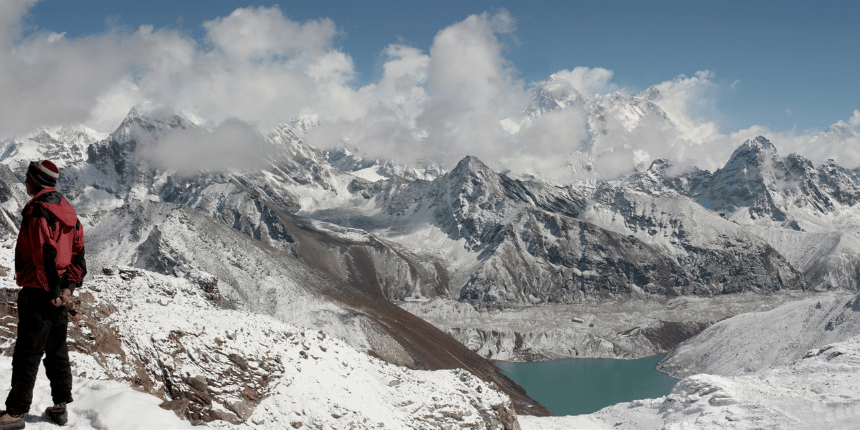
Very cold, especially at altitude; temperatures may plunge below –10°C on the high passes.
Heavy snowfall is common, especially around Kang La, which can make the route inaccessible or risky.
Short daylight hours and potentially icy trails.
Pros
- Very few trekkers — complete solitude.
- Crystal-clear skies on sunny days.
- Accommodation costs may be lower; teahouses less crowded.
Drawbacks
- Many teahouses may shut down or operate minimally.
- Higher risks due to avalanche, snow, freezing streams.
- Requires specialized winter gear and a very experienced guide.
Verdict for 2026/2027
Winter treks in Nar Phu are only recommended for very experienced trekkers who are well-equipped, accustomed to severe cold, and comfortable navigating snowy, remote terrain. For most, other seasons offer a better balance of safety, views, and cultural access.
Special Considerations for 2026/2027
1. Permit Planning
- Nar Phu is a restricted area. Trekkers need a Restricted Area Permit (RAP) plus ACAP and TIMS permits.
- Because this trek is less crowded but still popular in peak seasons, book your permits and guide well in advance through a trusted company like Destination Unlimited Treks.
2. Guide Requirements
- For restricted-region treks, a licensed guide is mandatory.
- Guides from Destination Unlimited Treks can offer safe passage, local expertise, and cultural insights.
3. Acclimatization
- Because of the high passes (Kang La, Thorong La), plan rest days to acclimatize in Phu, Nar, and Manang.
- Traveling in spring or autumn makes acclimatization slightly easier due to milder night temperatures.
4. Gear Considerations
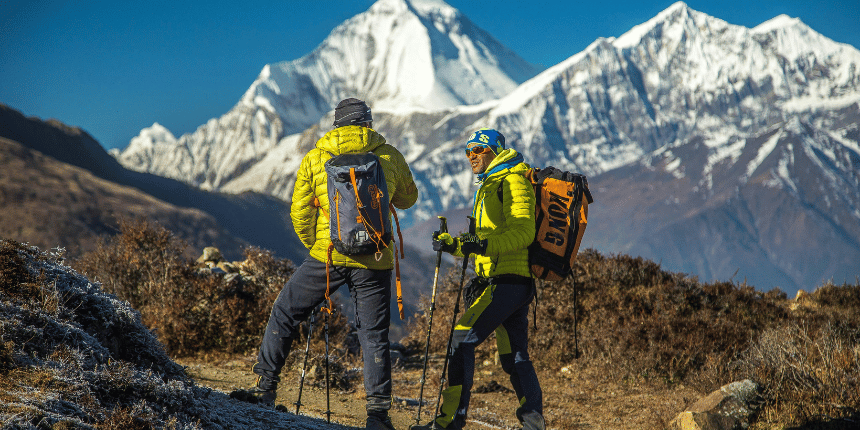
- In spring and autumn, pack layered clothing, a warm sleeping bag, sturdy boots, trekking poles, water purification, etc.
- In winter, you’ll need more heavy-duty cold weather gear, possibly crampons or micro spikes, and experience hiking on icy or snowy terrain.
5. Cultural Opportunities
- Spring: chance to see Losar (Tibetan New Year), pujas, blossoming landscapes.
- Autumn: festivals like Dashain and Tihar, livestock returning to high pastures, monastery life in full swing.
- Winter: peaceful villages, less tourist activity, deep immersion — but risk of limited local interactions if people migrate or slow down.
Recommendation for 2026/2027
If you're planning your Nar Phu Valley trek with Destination Unlimited Treks, here’s what I suggest for 2026/2027:
- Best overall window: Late September to November — stunning views, stable weather, good cultural immersion.
- Second-best window: March to May — mild weather, blooming rhododendrons, waking landscapes.
- Avoid if possible: Peak monsoon (mid-June to early September) unless you're okay with rain, cloud, and logistical challenges.
- Only attempt in winter: If you are experienced, very well-equipped, and prepared for extreme cold and snow.
Why Trek Nar Phu Valley in the Right Season with Destination Unlimited Treks
Choosing the right season isn’t just about weather — it's about making the most of your Himalayan journey. With Destination Unlimited Treks, you’ll get:
- Expert local guides who know the Nar and Phu region intimately, including its restricted permits and high‑pass logistics.
- Well-planned itineraries tailored to seasonal conditions (e.g., extra rest days in spring or autumn).
- Support with accommodation, cultural experiences in Nar and Phu, and acclimatization.
- Responsiveness to trail and weather conditions — your safety is always a top priority.
Final Thoughts
- The spring (March–May) and autumn (late September–November) seasons are the ideal windows for the Nar Phu Valley Trek in 2026/2027.
- These seasons offer a magical balance of great weather, stunning scenery, cultural richness, and safer high-pass crossings.
- Monsoon and winter treks are possible, but come with higher risk and challenges — best suited for seasoned trekkers.
- Book early, prepare your permits, pack wisely, and trek with a trusted operator like Destination Unlimited Treks — this will help you journey through the hidden Himalayan world of Nar and Phu with confidence and joy.
User Comments and Reviews