


Everest Mani Rimdu Festival Trek 12 days Overview
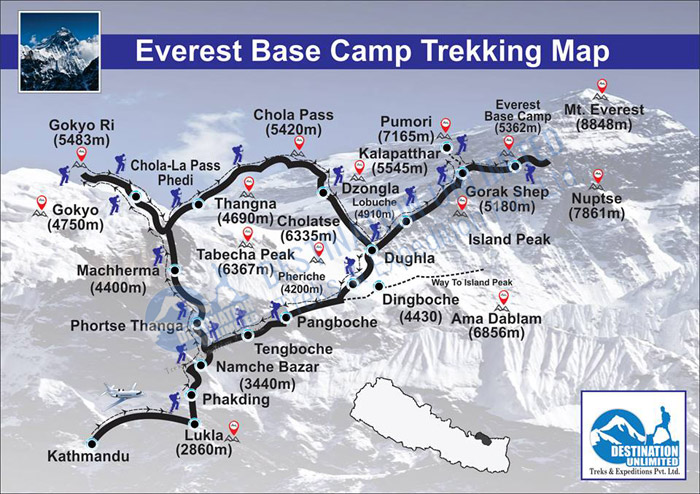
Everest Mani Rimdu Festival Trek is a trek with the main objective of observing the Mani Rimdu Festival. The historic Tengboche Monastery in Tengboche is a major cultural festival location where this festival celebrated according to Buddhist religious traditions - the Mani Rimdu Festival. This is a considered as one of the biggest festival for the local Sherpas. You can watch the recitation of Buddhist mantras and rituals performed by the lamas in the monastery with attractive religious dances during this cultural festival. Tengboche Monastery, which is on the main trekking route to Everest Base Camp, reaching an altitude of 388 meters and is an excellent choice for tourists who want to observe the beauty of the Everest National Park area with culture exploration hidden in the Himalayas. Spring and autumn are the best times for this trek, but for the Mani Rimdu Festival, you have to travel to reach Tengboche Monastery in the second week of November. This special 12-day trek begins from Tenzing Hillary Airport after reaching Lukla, a 35-minute flight from Kathmandu. This trek, which is sometimes steep but mostly uphill, is an easy trek for travelers who usually walks daily up to 2-3 km steep. As the altitude increases, it can feel a little tiring. This is a normal process when going to the mountainous environment. For this, after staying for an additional night in Namche Bazaar, you can blend in with the mountainous environment.
This Everest Mani Rimdu Festival Trek is an incomparable trek with a unique combination of natural beauty and cultural richness. So, you can enjoy both natural beauty and cultural beauty together in this trek.
Lukla, Phakding, Monjo, Zorsalle, Namche Bazaar, Khumjung, Syangboche and Tengboche are the world famous mountain settlements that you can visit on this trek. In these famous mountain settlements, you will get to study and observe Sherpa customs, traditions, Himalayan lifestyle and Sherpa cultural heritage. Your journey will progress along the trails with uphills and gentle downhill , passing through lush forests and beautiful Sherpa settlements. The second day of the journey begins at the entrance to the park in Monjo village - the Sagarmatha National Park area. The trekking route will be filled with crystal clear waterfalls and rivers, religious monasteries, attractive chapels, as well as the mountainous rural environment and village lifestyle, making your trek truly unforgettable.
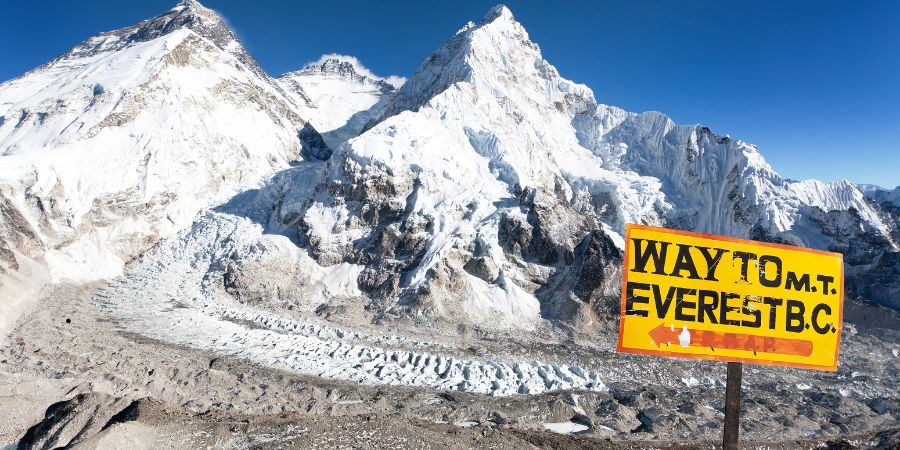
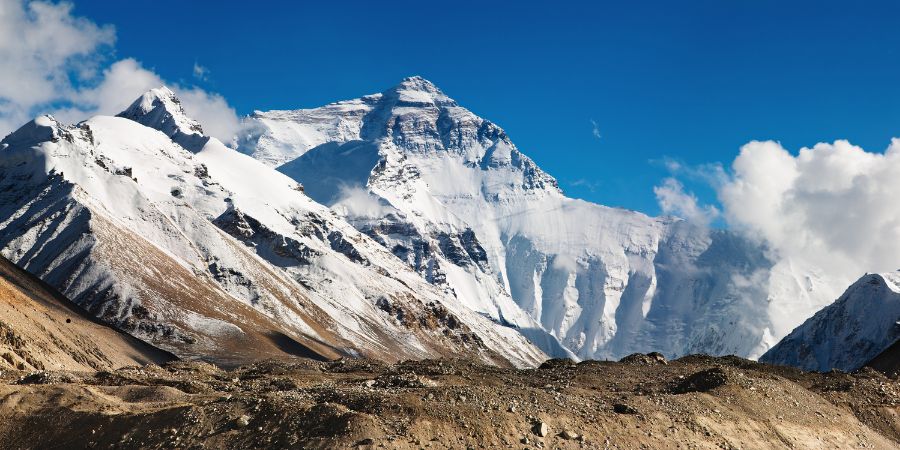
On this unforgettable journey, you will get a chance to observe the amazing views of the world-famous 8,000-meter-high mountains within the Sagarmatha National Park from up close. You will have the unique opportunity to see the unique view of the snow-capped peaks of Kusum Kanguru (6,367 m), Thamserku (6,623 m), Amadablam (6,812 m), Khangthega (6,782 m), Everest (8,848.86 m), Lhotse (8,516 m), Lhotse Sir (8,383 m), Tawoche Peak (6,495 m), Kongde (6,187 m) and Khumbila Peak (5,761 m) all gathered together in one place. This unique beauty of the mountains will thrill you and your mind with a great sensation of joy and peace.
The trekking route within the Everest National Park is naturally rich. The lush vegetation here, including Cedar, Lake Salo, Dhupi, Gurans, Kharsu, and especially the beauty of the red and white colored Laligurans (Rhododendron) in spring, which will make you happy. In terms of fauna, you will also get the opportunity to see rare snow leopards, musk deer, as well as mammals like Himalayan black bears and Himalayan Thar. For bird lovers, colorful birds like Danfe, forest chicken, and monal are an additional attraction of this trek. The biodiversity of this area will make your Everest Mani Rimdu Festival Trek even more enjoyable and unforgettable.
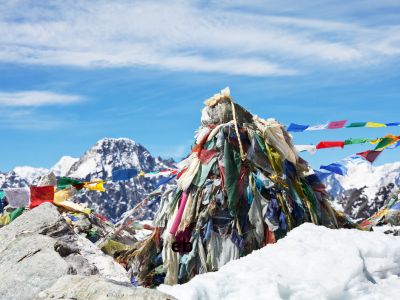
The influence of Buddhism is seen in this area, which is dominated by the Sherpa community. That is why this trek is also suitable for a study tour of Sherpa culture. On this trek route, you will see various new and old Buddhist monasteries, stupas, gems, and colorful prayer flags, which are its landmarks. The great Buddhist festival of Losar, Dumji Parva, Mani Rimdu, religious festivals are celebrated according to the Bhot calendar are specially celebrated in this different monastries which are located in the top of mountains. You will get to experience a fresh glimpse of Sherpa culture during the trek. During the trek, you will also get to observe similar Himalayan Sherpa culture and Buddhist religious traditions along with natural beauty.
There are clean, neat, well-maintained hotels and lodges operated by local residents for the convenience of tourists on this trekking route. The experience you will get while spending the night in a peaceful natural environment, far away from the noise of the modern busy city, will be truly unforgettable. The local seasonal vegetables prepared in the lodges here, the Himalayan taste of organic food, and the intimacy of the Sherpa community will make your tea house stay tempting.
Everest Mani Rimdu Festival Trek 12 days Highlights
- A unique opportunity to observe the historic Mani Rimdu festival celebrated at Tengboche Monastery.
- Study Sherpa culture, observe Buddhist religious traditions and attractive dance rituals.
- Experience the natural beauty and biodiversity of the Everest National Park area.
- Close-up view of world-famous mountains: Everest, Lhotse, Amadabam, Thamserku, Khangatega and other towering peaks.
- Green vegetation, especially the beauty of the redbud blooming in spring.
- Possibility of observing rare wildlife: Himalayan Thar, Musk Deer, Himalayan Black Bear, Snow Leopard.
- Colorful birds: Danphe, Monal, Forest Chicken will make the trek more enjoyable.
- Visit world-famous Himalayan settlements such as Namche Bazaar, Khumjung, Syangboche, Phakding.
- Experience organic food, intimate hospitality, and a peaceful environment at a local tea house.
- An unforgettable journey with a unique combination of natural beauty and cultural heritage.
Route Overview of the Everest Mani Rimdu Festival Trek 12 days
Upon your arrival in Kathmandu for this trek, we will meet you at the Tribhuvan International Airport in Kathmandu. After that, you will be rested at the hotel and in the evening you will be briefed about the trek. The next day, your guide will take you to the next airport, Manthali Ramechhap, which is a 4-hour road trip from Kathmandu to Lukla. Due to high traffic during the busy season, there are no direct flights from Kathmandu to Lukla.
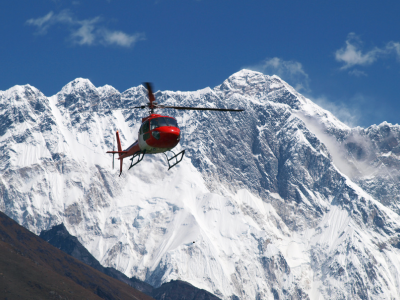
Your trek will begin as soon as you reach the beautiful rural settlement of Lukla in a 35-minute air journey. After passing through Lukla Bazaar a little further, we will get a travel permit ticket at the trekking permit check post and follow the winding path through the Gurans forest to Cheplung, and after some horizontal and moderate ups and downs, we will cross the Ghat village and will get a chance to have an organic meal at the steep Koshi village. After about 3 hours of easy walking from Lukla, we will reach the first day's accommodation at Phakding village at an altitude of 2610 meters.
The next morning, after breakfast, you will reach Monjo via Benkar. The World Heritage-listed Sagarmatha National Park starts from Monjo. Then, after moving forward and having lunch in the village of Jorsale, your journey will continue towards Namche. The steep climb of 2-3 hours will make you sweat a little, but you will enjoy it more by relaxing and moving slowly. As you reach Namche, you will get the opportunity to see beautiful Himalayan birds and monkeys. After a 6-7 hour walk from Phakding, when you reach Namche, the beauty of Namche that will make you forget your fatigue and the relaxing evening will fill your body with more energy.
The next day, you will have to stay in Namche for one more day to blend in with the Himalayan atmosphere. On this day, you will be taken on a 3-4 hour hike to Syangboche and Khumjung to show you the unique beauties of the world-famous mountains and the unique Himalayan Sherpa culture.
The next day, you will reach the foot of Tengboche Monastery at Fungi Thanga, traveling mostly horizontally and slightly downhill, where you will have lunch. After a 2 or 3 hour uphill journey, you will reach Tengboche village. During the journey, you will observe the beautiful mountains including Everest, Sherpa settlements, glaciers, and the Guras (Rhododendron) forest from the trekking route. During the journey, you will meet tourists waiting at the destination, herds of Himalayan Thar grazing in the forest, some musk deer, flying birds, and yaks. After a journey of about 6-7 hours from Namche, after reaching Tengboche Monastery, the natural beauty there and the experience of freshness and agility brought by the cold air in your body are unforgettable.
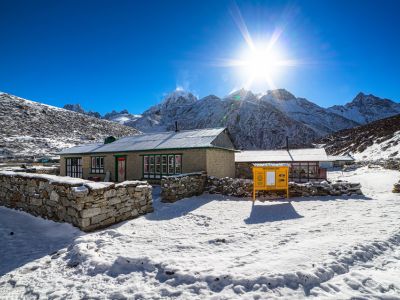
To observe the Mani Rimdu Festival in the ancient monastery in Tengboche, you can stay in the clean and beautiful tea house in front of the monastery throughout the festival period. After observing this religiously and culturally important festival, leaving behind the beautiful snowy peaks in the background, you will return to Lukla via the same route, passing through Khumjung, Namche, and Phakding. The next day, the guide will bring you to Kathmandu by morning flight. In Kathmandu, you will complete your shopping according to your interests and explore according to your program and depart for your home or other destination the next day. We will provide you with the transport facility to the airport.
Thus, this excellent Everest Mani Rimdu Festival trek, which is a blend of wonderful natural beauty and unique cultural heritage, will be completed.
Everest Mani Rimdu Festival Trek – 12 Days Itinerary
Everest Mani Rimdu Festival Trek — What to Expect
If you’ve been dreaming of a trekking experience in Nepal that includes, you know, more than just stunning views, look no further than this one! The Everest Mani Rimdu Festival Trek offers you a chance to connect with Sherpa culture and be a part of something truly special. Over the course of 12 days, you will wander through tranquil villages, trek over mountain passes, and find yourself in the midst of the magnificent Tengboche Monastery (the home to the famous Mani Rimdu Festival).
The festival is truly an incredible experience and you will be treated to watching monks don flash, colourful masks perform ancient dances and rituals in front of transcendent breath-taken views that celebrate the triumph of the good over the evil. It is a special opportunity to experience Tibetan Buddhist practices in a number of sacred festivals offered in one of the few treks you will embark on. Along with the epic views of Mount Everest and other Himalayan Giants, friendly Sherpa hospitality, walking and cultural experiences, you are in for a delightful blend of adventure and unsurpassed cultural discovery.
This trek is ideal if you are seeking an adventure journey that involves more than only hiking - you want to feel a connection to the people, culture and mountains. Whether you are trekking in the Himalayas for the first time, or have previously trekked to Everest base camp, being a part of the Mani Rimdu Festival will add a unique and magical aspect to your trekking experience you’re sure to remember.
Are you ready to explore Everest in a way that is meaningful? The Mani Rimdu Festival Trek may be exactly what you’re looking for.
Everest Mani Rimdu Festival Trek 12 Days Cost—Full Breakdown
If you are considering a trek to Everest to also experience the Mani Rimdu Festival, knowing all of the costs upfront is beneficial in terms of planning and budgeting. Below is a fairly easy breakdown of the costs you can expect for the 12-day trek—from permits, guide and porter fees, accommodation and food. It is clearly laid out so you can see exactly how much you are spending on different parts of the trek.
Everest Mani Rimdu Festival Trek Difficulty and Fitness Requirements
You don't have to be a serious trekker to enjoy the Everest Mani Rimdu Festival Trek, but it helps to be prepared. On most days, you can expect to be walking between 4 to 6 hours along mountain trails that will have you going up and down, with a few steady climbs - such as those to Namche and Tengboche. The highest elevation on the trek is just under 4,000 meters, so you will feel the elevation, but you will be fine if you pace yourself and take breaks.
This trek is well suited for a person who keeps somewhat active - perhaps you walk a lot, you do some light hiking, or you just like to spend time outside. You don't really have to train as if you are running a marathon. A few weeks of climbing stairs or walking prior to your trip will help immensely. The most important part is assessing what you can do and going at your own pace when you need to.
In return, you get a lovely experience, peaceful trail hiking, views of towering mountains, and the rare opportunity to be a part of the Mani Rimdu Festival at Tengboche Monastery. Fitness is important, yes, but it is more about being a part of something special in the Himalayas.
Permits Required for the Everest Mani Rimdu Festival Trek
Before heading to Everest and joining the Mani Rimdu Festival, you'll need to obtain a couple of permits. They are easy enough to obtain, but you will need them in order to enter the area and trek legally and safely. The good news? If you're booking with a local agency, they will typically take care of all the paperwork for you. However, it is always nice to know what you'll need and for what reasons.
Here's a quick guide to what permits you will need and their respective costs:
Everest Mani Rimdu Festival Trek vs. Other Treks in Everest
If you are choosing between several treks in the Everest region and asking what is different about the Mani Rimdu Festival Trek, here's the differentiator. Most Everest treks usually offer amazing mountain scenery and adventure, but this trek adds another layer—a cultural and spiritual depth.
You'll still bring home classic highlights: Mount Everest, Sherpa villages, Namche Bazaar, and Tengboche Monastery. But the real uniqueness is the actual Mani Rimdu Festival. Living in a town with very few authentic chances to witness unmediated cultural practices, the Mani Rimdu Festival Trek offers trekkers the rare opportunity, once a year, to witness monks perform traditional masked dances, prayers, and ceremonies in one of the most significant monasteries in the region. It is a festival of peace, compassion, and Sherpa culture, and you are there.
Other treks such as Everest Base Camp, Gokyo Lakes, and the Three Passes Trek offer unique-experiential physical challenges and great landscapes. But the Mani Rimdu trek offers what these don't—cultural depth, coinciding with one of the most culturally-transformative festivals in the Himalayas. Overall, trekkers who want a personal, peaceful, and lasting experience—not a summit photograph—will do well on the Mani Rimdu trek.
What is the best season to trek Everest Mani Rimdu Festival Trek ?
There are certainly some times to be more ideal than others for carrying out your trek, especially if you are wanting to see the Mani Rimdu Festival and be able to see the mountains. While you could trek throughout the year in the Everest region, there is only one Mani Rimdu Festival per year, so planning your trek around that date is important. Following this section is a breakdown of each season, so you can decide which is the best time for you to venture out.
Season Breakdown
Autumn (October to November) - Best Time to Go
- Peak season for Mani Rimdu Festival.
- Great weather conditions with clear skies, mild temperatures, and good mountain views.
- The festival is advertised for the end of October or beginning of November.
- All trails are lively, but with a festival feel, they are less crowded.
Spring (March to May) - Great Treks, but No Festival
- Best trekking weather, and flowers are blooming with rhododendrons.
- Clear views of Everest and surroundings.
- While it can still be a great experience, it will not have the ambiance of the festival.
Summer/Monsoon Season (June to August) - not recommended
- Monsoon rains, cloud cover, and muddy treks.
- Flight delays to/from Lukla will happen more frequently.
- Not appropriate for the Mani Rimdu experience.
Winter (December to February) - Cold and Quiet
- Very cold temperatures, especially at altitude.
- Less trekkers; more solitude, but possibly can't trek to inaccessibility; snow can block the trails.
- The festival has already happened by this point.
For the full experience—great weather + cultural celebration—late October to early November is your window. Book early, as it’s one of the most meaningful and memorable times to be in the Everest region.
Nepal Visa Requirements for Everest Mani Rimdu Festival Trek
Prior to leaping into the Everest Mani Rimdu Festival Trek, we recommend being thorough with certain items. Simply managing your visa, travel insurance, and ensuring you have the correct money on you will make for a more enjoyable experience. This is not an extreme trek, but any prep will make for a smoother experience. Below are a few points to consider:
Travel Visa (Nepal Entry):
- Ensure your passport is valid for at least 6 months from your entry date into Nepal.
- You can get a Nepal tourist visa on arrival at Tribhuvan International Airport (Kathmandu) which is quite simple, or you can apply online in advance (this may save you a big wait at the airport).
- Visa Fees (as of now):
15 Days – USD 30
30 Days – USD 50
Travel Insurance:
- Proper travel insurance is a must for this trek. Policy should include:
- High altitude trekking (high altitude up to at least 4,000m)
- Emergency helicopter evacuation
- Medical treatments, trip cancellation, and baggage loss
- It is also ideal to keep a printed and digital copy of your insurance in case you need it.
Money Exchange & Budget tips:
- The local currency is Nepalese Rupee (NPR). This is what you will need for most things purchased up in the mountains.
- Exchange your cash in Kathmandu, you will get better rates than trekking areas. There are ATMs in the city, but in the mountains they are limited (and unreliable at best).
- You'll want small bills for tea houses, snacks, tips, and small purchases on the trail.
How to Book the Everest Mani Rimdu Festival Trek
Booking your trek to the Everest Mani Rimdu Festival couldn't be an easier process, and we are here to help you at every stage of the process from start to finish. Whether you're still investigating the various trekking options, or you have already made a decision to take part in the festival trek, we will be here to guide your process every step of the way.
To get started, you need to submit an inquiry to us stating your preferred travel date(s), group size, and any other requests that you may have. We will respond to you very quickly with a detailed itinerary, price list, and any other details to help you make your decision—no pressure, we just want you to have information.
Once you've made a decision and want to confirm your plans, we just require a small 20% deposit to secure your position. You can pay via Visa, Mastercard, or bank transfer, whatever is easiest for you. The remaining balance can be settled after you arrive in Nepal anyway that is convenient for you, either cash or card.
Once your booking confirmed, you will receive a full pre-trek info pack directly to your email inbox. We will provide your itinerary broken down day by day, packing list, permits information, details of accommodation, and instructions to prepare. We will also provide you with instructions for arrival and details of your airport pick-up.
We will continue to keep in touch as your trek date approaches to ensure you feel adequately prepared and supported before you depart. From your first email to us right through to the last day of your trek, our team will take care of everything as it unfolds, leaving you free to focus on the adventure at hand and the imminent and extraordinary experience of the Mani Rimdu Festival.