


Panoramic Everest View Trek Overview
Do you want to trek the world's highest peak, Mount Everest? We offer you an 11-day Everest trek. This trek starts with a visit to Kathmandu and takes you to places like Khumjung, Tengboche, Monjo which are part of the Everest National Park. On this trek, you will see mountain views, Sherpa hospitality, Buddhist monasteries, and lush green landscapes. Talking about the altitude it inclines up to 3870 meters and trekkers generally prefer to do this trek in season like spring (March to May), autumn (September to November) , which is also considered as the best trekking seasons in Nepal. Destination Unlimited offers this trek at a special discounted rate. Are you ready to travel?
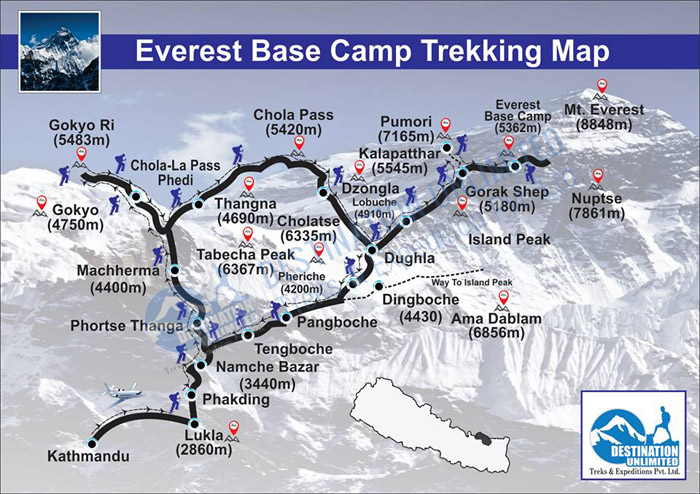
Panoramic Everest View Trek lies in the heart of Himalayan Khumbu region. This trek is consider little different than other Everest Region Treks. The Panoramic Everest View Trek is a trek that gives you an experience of the entire Himalayan lifestyle and the Himalayan views. It is different from the Everest Base Camp Trek as the Everest Base Camp Trek is more about to reach the base camp whereas this trek is more focused on exploring the Everest Regions. The trek actually starts from Lukla and progresses through geographically diverse natural environments. Rather than other treks , it reaches the banks of the Dudhkoshi River and even the Sherpa villages hidden in the himalayas. The treks pass through pine forests, glacial rivers, steep mountains and alpine meadows. The trails you find during this trek can sometimes be challenging as its not even and plain. You will travel uphill and downhill. To be honest, this journey will be an unforgettable one for you.
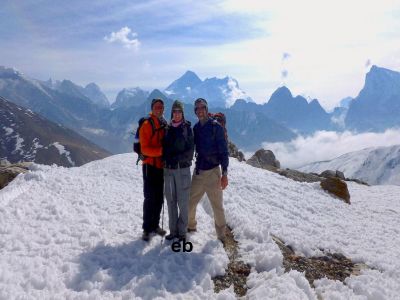
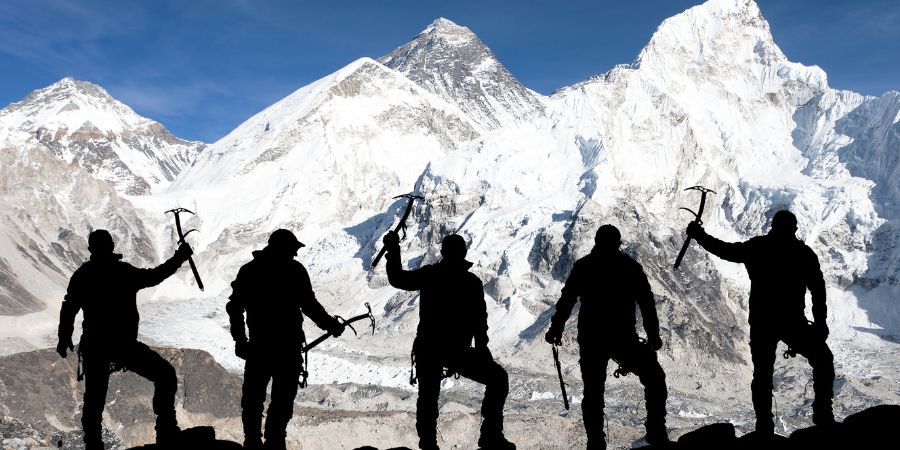
On this trek, you will get a chance to see mountains like Everest, Ama Dablam, Lhotse, Thamserku and Nuptse. Did you know? The mountains look more beautiful and sparkling from a distance than up close. This trek is also a once-in-a-lifetime opportunity. You can watch the sunrise and sunset from the Everest View Hotel area. When the sun's rays hit the mountains, the reflected rays will delight you.
This Panoramic Everest View Trek area, which falls under the Sagarmatha National Park, rich in biodiversity. The flora found here includes rhododendron (laligurans), juniper, fern, lake salo, kharsu and lekali herbs. Among the wild animals, red panda, snow leopard, musk deer, Himalayan Thar, Himalayan hare, Danfe (national bird), Munal and different species of birds and insects are found. This is a suitable place for observing the flora and fauna found in the high Himalayan terrain and also considered great for scientific research of plant and animal species.
Since the Khumbu region is the heritage of Sherpa culture, Buddhist-based culture, festivals and traditional customs are alive here. The major festivals celebrated here are Dumji Parva, Losar, Mani Rimdu Parva, Buddha Jayanti. This festival features dances, religious worship, and the Makhundo dance of lamas. You can experience all of these on the Panoramic Everest View Trek. Places that reflect Sherpa culture, Buddhist stupa monasteries, mantra-engraved temples, and Buddhist stupas are located on the way during the trek. Traditional rituals of marriage, birth, and death are still preserved here. The culture here is deeply connected to spiritual life and nature.
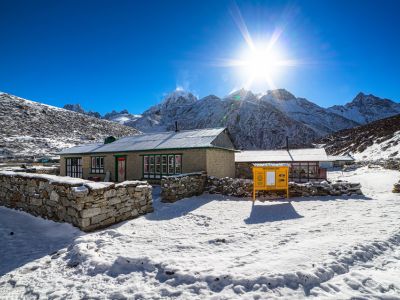
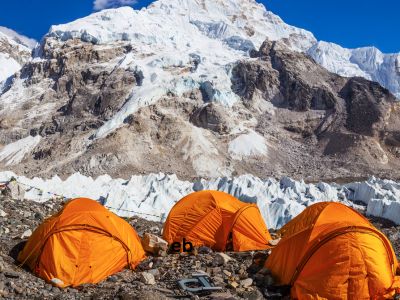
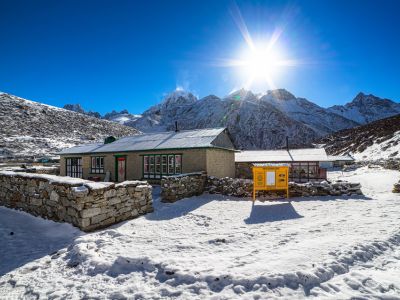
On this trek, you will get a unique experience of a locally run tea houses and local lodges. In these tea houses, run by local Sherpa families, you can experience fresh and organic hot food, humble hospitality, and friendly attitude. Traveler's can experience local food, tea, and culture up close. Hospitality with simple amenities will become an unforgettable part of your Panoramic Everest View Trek.
Panoramic Everest View Trek Highlights
- Close-up view of Mt. Everest and other world-famous mountains
- A short, safe and even inexperienced 11-day trek
- Visit beautiful mountain villages like Lukla, Phakding, Namche, Khumjung and Tengboche
- A breathtaking view of Mt. Everest and Amadablam from Tengboche Monastery
- Experience Sherpa culture-based lifestyle, festivals and traditional rituals
- Cultural glimpses of famous festivals like Mani Rimdu and Losar
- Observation of Buddhist monasteries, stupas, mantra-engraved manis and stupas
- Biodiversity within the Everest National Park: Red Panda, Daphne, Snow Leopard, etc.
- Observation of Laligurans, Lake Sallo, herbs and other high-mountainous vegetation
- Hot food and intimate service at tea houses run by local Sherpa families
- Suspension bridges, lush forests, rivers flowing from the mountains and Trail through the forests of Gurans
- A physically easy yet naturally, culturally and spiritually rich journey
Route Overview of the Panoramic Everest View Trek
We will meet you at Tribhuvan International Airport and drive you to the hotel. Since you will be suffering jet-lagged and tiredness , we will be providing you enough time to rest and during the evening you will be described about the trek and its preparation with a warm cup of coffee or tea. The next day, as per the program, we will visit some tourist attractions in Kathmandu and fly to Lukla the next day. Since there is no direct flight from Kathmandu to Lukla during the busy season, we will have to take a 4-hour road trip to another airport, Manthali, and then fly to Lukla. Our actual trek starts from Lukla at 2840m. Initially, it is a little downhill and then some moderate uphill and downhill, passing through the Gurans forest, tea house lodges and Sherpa villages on the way. After a 3-hour trek, you will reach Phakding.
On the second day, after having a fresh breakfast, the trek will continue through villages, forests, the banks of the Dudh Koshi River, and sometimes around the suspension bridge. You will reach Monjo village. This is the main entrance to the Sagarmatha National Park. From here, after having lunch in a hurry and crossing a horizontal road for about half an hour, the real climb to reach Namche Bazaar begins. For many tourists, this journey is special because it is steep and the altitude increases. But after reaching Namche, the beauty of the place will relieve your fatigue from this climb. The next day, you will be taken for a day of hiking around Namche and a little higher near the Everest View Hotel to view dozens of mountains including Everest.
After Namche, your journey will proceed towards the beautiful Himalayan village of Khumjung and after staying there for a day, the main destination of your journey the next day will be towards Tengboche. Initially, there will be an easy downhill journey from Khumjung to Phungithanga. Here, after having a delicious meal at a tea house on the bank of a river in the Gurans forest, you will travel for about 3 hours uphill between Lake Sallo and Dhupi and the Gurans forest to reach Tengboche. There are some comfortable hotels here with simple but good food and accommodation facilities. The main attraction here is the historic Tengboche Monastery, which is located between the forests of Rangibirangi Gurans and Lake Sallo, where the cool breeze blows every second. It is an important place for both tourism and religious perspective, on the main route to the Everest Base Camp. Here you can see the Damphe, Munal, and Musk deer, which are only found in the lake, grazing around the monastery.
In Tengboche, you will enter the monastery and see Buddhist religious rituals along with artistic artwork related to Buddha on the walls. With all this cultural heritage in the background, after breakfast, you will return to Lukla via Namche, Jorasalle, and Phakding. The next day, you will fly from Lukla to Manthali Airport in the morning and return to Kathmandu. After reaching Kathmandu, you can relax or go to the market for some souvenir shopping. The next day, we will take you from the hotel to the international airport according to your flight schedule and bid you farewell. Thus, your unforgettable journey will come to an end.
Panoramic Everest View Trek – 11 Days Itinerary
Panoramic Everest View Trek — What to Expect
If seeing Mount Everest in person is your dream but you don’t want a prolonged high-altitude expedition, choose the Panoramic Everest View Trek. This is your short and easy version of the Everest trip where you still get your spectacular Himalayan views of Everest, Lhotse, Ama Dablam, and much more.
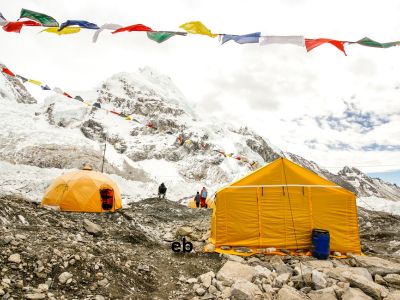
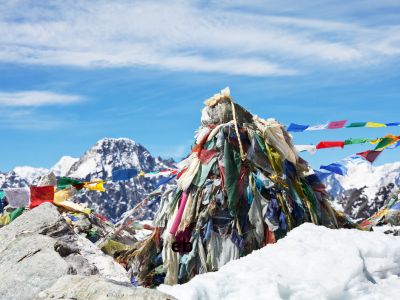
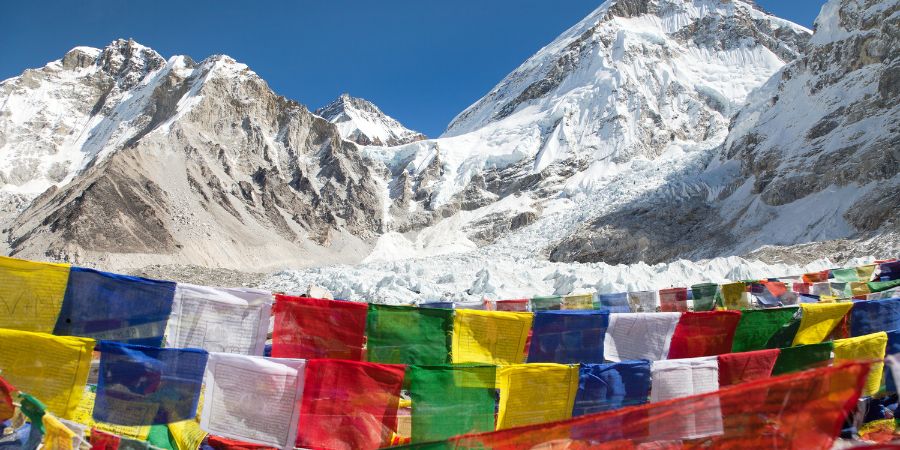
This trek takes you through serene forests, stone-paved trails, and cultural Sherpa villages. You board a small plane that takes you to Lukla, and walk through Phakding, Namche Bazaar, and Tengboche. A peaceful trek along fluttering prayer flags, Buddhist monasteries, and welcoming local folks. Truly a postcard at every turn.
There is no rush. You have time to sit and relax with a cup of tea, take photos, and look at the view. It is perfect for beginners, couples, families, and anyone who wants an easy adventure in the Himalayas without pushing too hard.
You get the Everest experience… without the extreme challenge. Easy, scenic, and unforgettable.
Panoramic Everest View Trek Cost—Full Breakdown
Before heading into the Everest region, it’s good to know how much the Panoramic Everest View Trek will cost. This trek is one of the shorter and more affordable options in the Everest area, making it ideal for those who want stunning views without spending too much time or money.
Here’s a basic idea of what you’ll spend:
Panoramic Everest View Trek Difficulty and Fitness Level
I did the Everest View Trek last year and it was perfect for someone like me who's not super fit! It starts with a short, exciting plane ride to Lukla - yes, that famous tiny airport in the mountains. Then you just walk a few hours each day through pretty forests and cute villages. The best moment? Waking up to see Mount Everest right outside my window at the Everest View Hotel - unbelievable!
This trek is great because:
- No hard climbing - just normal walking
- Short days (4-6 hours) with lots of breaks
- You sleep in comfortable tea houses
- The food is delicious (try the momo dumplings!)
- You see Everest without going too high
You don't need to be an athlete - just able to walk uphill sometimes. I saw elderly people and families with kids doing it! The views are incredible and you learn so much about Sherpa culture. If you dream of seeing Everest but don't want extreme hiking, this is the perfect trip.
Want to see Everest the easy way? Try this trek
Permits Required for the Panoramic Everest View Trek
So, you’re eyeing this epic 11-day trek around Everest. Before you go all “Into the Wild,” you have to sort out two bits of paperwork. First up, the Sagarmatha National Park Entry Permit (you need this even if your idea of a hike is just to the teahouse bar). Second one’s the Khumbu Pasang Lhamu Rural Municipality Permit. You’ll need it if you’re heading past Lukla or Monjo, like if you wanna hang in Namche Bazaar with the yaks and the mountain folks.
Panoramic Everest View Trek vs. Other Treks in Everest
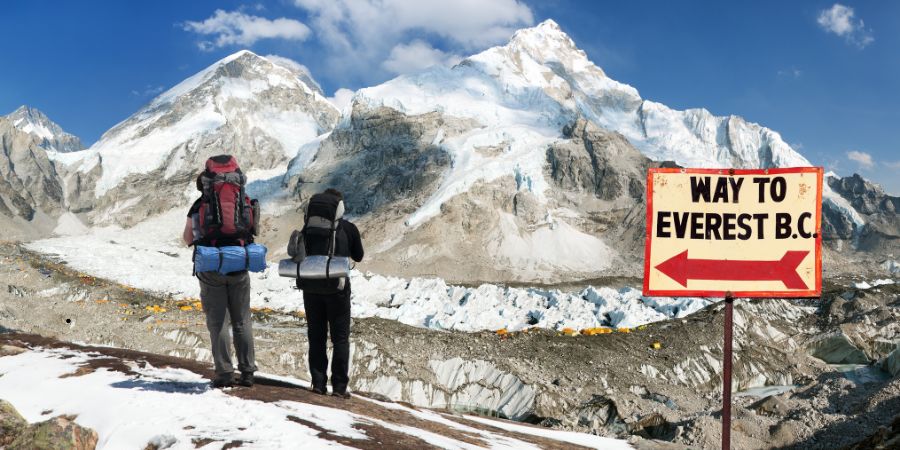
If you want the Everest experience without going all the way to Base Camp, the Panoramic Everest View Trek (11 days) is the sweet spot. It’s perfect for those who want big views, a touch of Sherpa culture, and clean mountain air—without the long and intense hiking days that come with the full Everest Base Camp (EBC) trek.
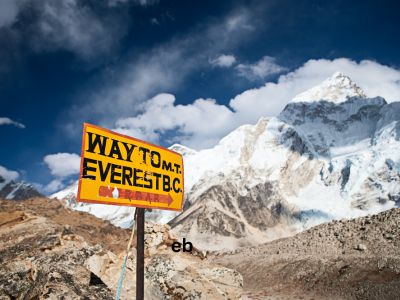
Unlike the classic EBC trek, which takes 12–14 days and goes as high as 5,364m, this panoramic version keeps things more comfortable. You’ll still reach spots like Namche Bazaar and Tengboche Monastery, where you get jaw-dropping views of Mount Everest, Ama Dablam, Lhotse, and more. The best part? You’ll avoid the altitude strain, crowded trails beyond Dingboche, and you get to enjoy the scenery without rushing.
Compared to shorter options like the Everest View Hotel Trek (5–6 days), this 11-day itinerary gives you more time to explore, adjust to the altitude, and soak in the landscape at a steady pace. You’ll walk through quiet trails, rhododendron forests, and ancient villages with fewer people and more chances to connect with locals.
So, if you want a balanced mix of culture, comfort, and views, but don’t want to hike for two weeks or deal with very high altitude, the Panoramic Everest View Trek is a fantastic pick. It offers the highlights of Everest without the extreme challenge.
What is the best season to trek Panoramic Everest View Trek ?
Choosing the right season can make a big difference on your Everest trekking experience. The Panoramic Everest View Trek offers incredible mountain views and Sherpa culture year-round, but weather, trail conditions, and crowd levels change with the seasons. Here’s a simple breakdown of what to expect each season, so you can pick the best time for your adventure.
Spring (March-May):
- Rhododendron forests burst with red blooms
- Warmer days (10-15°C) but chilly mornings
- Best for photographers – crisp air = stunning visibility
Autumn (Sept-Nov):
- Post-monsoon clarity (best Everest views!)
- Daytime temps around 12°C, nights near freezing
- Busier trails but festive atmosphere
Avoid:
- Monsoon (June-Aug)—slippery trails, leeches, blocked views
- Winter (Dec-Feb) – freezing (-15°C at night), some tea houses closed
Pro Tip: Late September or early November strikes the perfect balance—fewer crowds than peak October but the same great weather. I had entire viewpoints to myself!
Essential Travel Information for Panoramic Everest View Trek
Before starting the Panoramic Everest View Trek, it’s a good idea to get a few important things sorted. Whether it’s sorting out your Nepal visa, making sure your travel insurance covers the mountain altitude, or having enough local currency in your pocket, these little details can make a big difference once you're on the trail. This trek isn’t extreme, but being well-prepared means you can just enjoy the views and not stress about logistics later on. Here's what you need to know:
Travel Visa (Nepal Entry)
- You need a valid passport with at least 6 months before expiry.
- Nepal tourist visa can be obtained on arrival at Tribhuvan International Airport in Kathmandu or through the official online system (pre-application recommended).
- Common visa fees:
15 days – USD 30
30 days – USD 50 - Carry 2 passport-size photos (sometimes required for permits).
Travel Insurance
- Travel insurance is a must for this trek — make sure it includes:
- High-altitude trekking coverage (up to 4,000 meters or more)
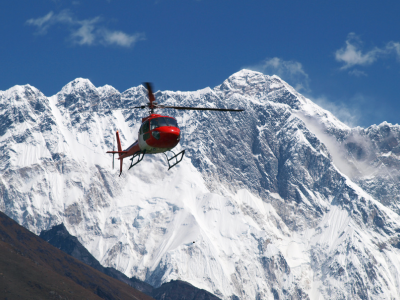
- Emergency evacuation via helicopter
- Medical care and trip cancellation/interruption
- Always carry a digital and printed copy of your policy during the trek.
Money Exchange & Cash Tips
- Nepal’s currency is the Nepalese Rupee (NPR).
- Exchange money in Kathmandu before the trek starts – currency exchange counters are widely available in Thamel and near the airport.
- Once you're on the trail (after Lukla), there are no ATMs or exchange counters.
Pro Tip: It’s safer to carry cash than rely on cards—most places outside Kathmandu don’t accept digital payments.
How to Book the Panoramic Everest View Trek
Booking Panoramic Everest View Trek with us is super easy—no stress, no confusing steps. Whether you’re just curious or ready to go, here’s how it works:
Easy Booking & Safe Payment
- We’ve made the process simple and secure:
- Pay easily with Visa or Mastercard
- Prefer a bank transfer? Totally fine—we’ll share the full details
Small Deposit, Big Views
All it takes is a 20% deposit to lock in your trek. You can pay the rest once you arrive in Nepal—by cash or card, whatever works best for you.
Once you're booked, we’ll send everything to your inbox:
- Day-by-day itinerary
- Permit details (we handle all the paperwork)
- Accommodation info (think cozy mountain lodges!)
- Transportation updates (airport pickups, trek starting point)
Why Booking Early Helps
- You’ll get top local guides (who know all the secret view spots!)
- Avoid the last-minute rush, especially in busy months like March–May and September–November
No pressure—we’re here whenever you’re ready. From your first message to the final moment of your trek, we’ll make sure your journey is smooth and unforgettable.
Ready to walk among the giants of the Himalayas? Let’s get your trek started today.