


Annapurna Circuit Trek 19-Day Overview
Are you looking for a long, adventurous, and scenic trek in the Annapurna Region of Nepal? The Annapurna Circuit Trek spans 19 days, starting from Besisahar and ending in Pokhara, completing a circular journey. This trek is moderate to challenging in difficulty and reaches Thorong La Pass (5,416 m), the highest point of the trek. Destination Unlimited Treks offers a great opportunity to circle the Annapurna Massif, including cultural immersion with the Gurung, Thakali, and Manangi communities, all at an affordable cost.
It is one of the famous treks that traverses through the Gandaki and Karnali Provinces of Nepal, covering more than five districts. Did you know? During this trek, you become a Himalayan explorer who navigates uphill and downhill trails, river valleys, and lush forests. You become a zoologist who discovers Himalayan wildlife and hears the chirps of unseen birds. You become a culturalist who studies the culture of the Gurung, Thakali, and Manangi in Nepal, and a religious guru who visits Hindu temples like Muktinath.
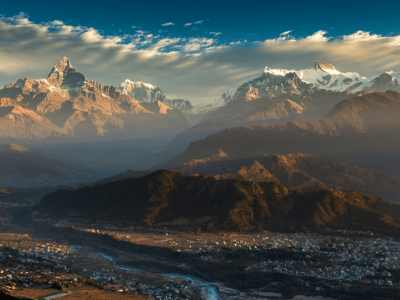
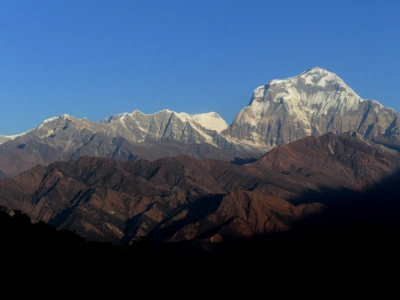
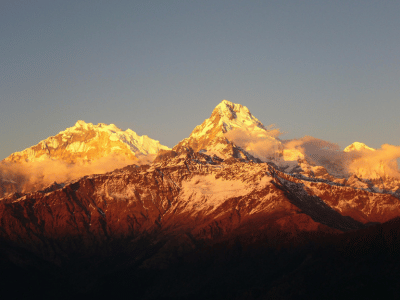
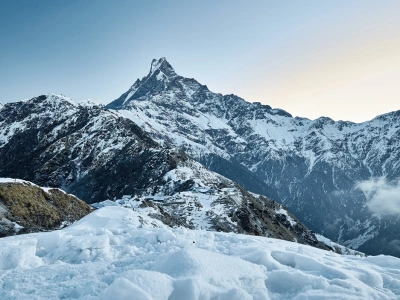
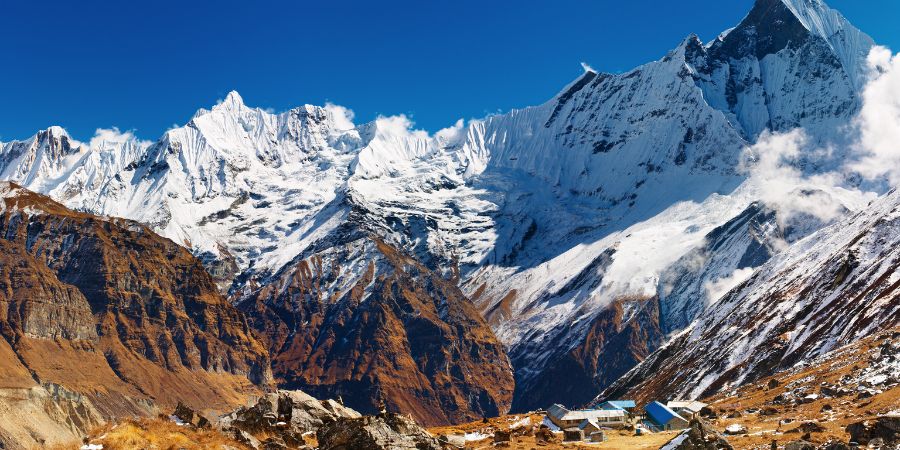
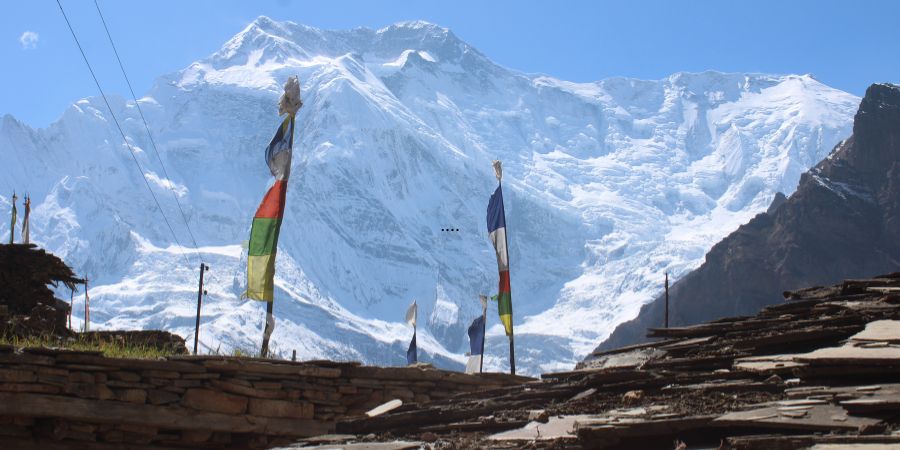
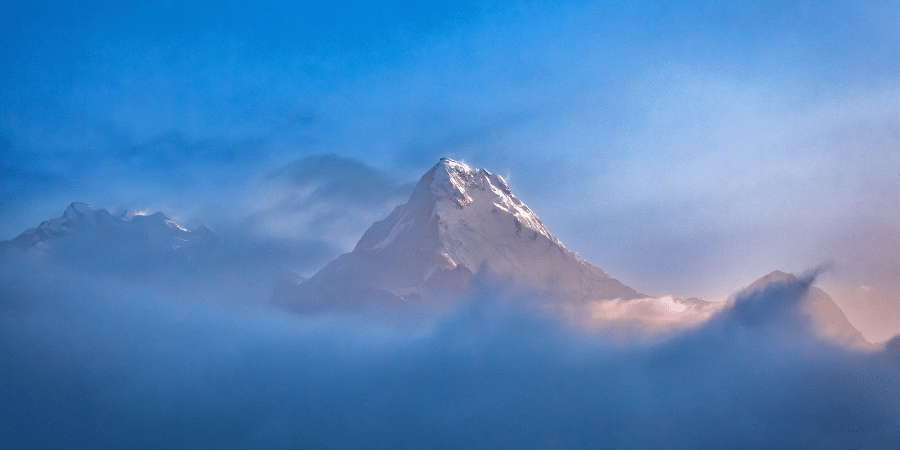
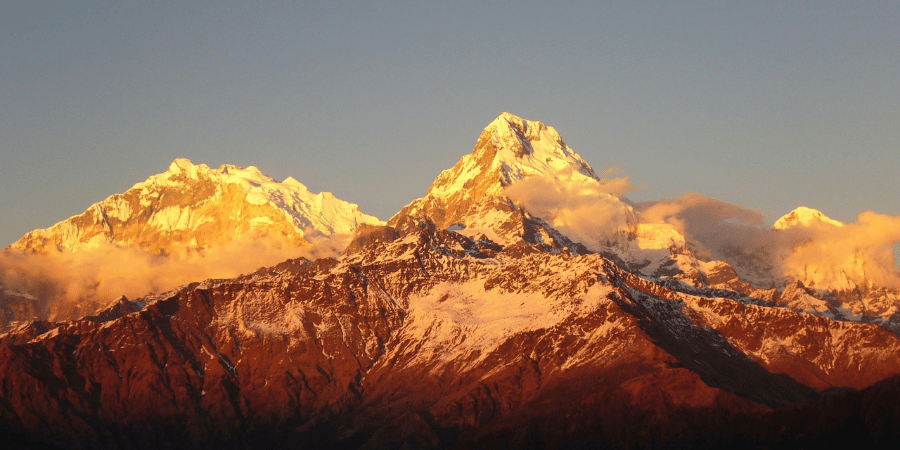
During this trek, you will journey through valleys like the Marsyangdi River Valley, Manang Valley, Thorong Valley, and Kali Gandaki Valley. These valleys make the journey feel more natural. You will witness the world’s highest mountains and peaks, such as Annapurna (I, II, III, IV), Gangapurna (7,455 m), Tilicho Peak (7,134 m), Dhaulagiri I (8,167 m), Manaslu (8,163 m), and Nilgiri North/South (7,061 m / 6,839 m). They seem to smile at you as you stand and stare at them during sunrise. There are also famous lakes on and near your trail, including Gangapurna Lake, Ice Lake (Kicho Tal), Dhumba Lake, and Phewa Lake (Pokhara). You can see them, touch them, and sometimes explore them by boating (Phewa).
Your entire 19 days will be full of surprises. This is also the significance of this trek. Sal forests, bamboo and ferns, oak, maple, and hemlock trees, and rhododendron shrubs along the sides of your trails sometimes make you feel like you are going on a jungle walk. You will also find alpine herbs and lichens, mosses, and short grasses blooming in the highlands.
While wildlife sightings are less common in high-traffic trekking areas, you know Annapurna is home to 100 species of mammals and hundreds of birds, reptiles, and insects. During the season and at appropriate times (morning or evening or less crowd), you may encounter Himalayan Tahr, Blue Sheep (Bharal), Musk Deer, Langur Monkeys and Red Foxes. You can see birds like Himalayan Monal (Danphe),Snow Pigeon, Tibetan Snowcock, Golden Eagle etc. At an appropriate time, you may hear forest sounds made by cicadas, grasshoppers, and other insects, which makes the trail journey more musical.
This trek is not only a journey of majestic mountains but also a journey of culture and celebrations. You may meet Gurung, Tamang, Thakali, Magar, and Manangi people during this trek. They have their own languages. They cook their own dishes and celebrate traditional festivals.
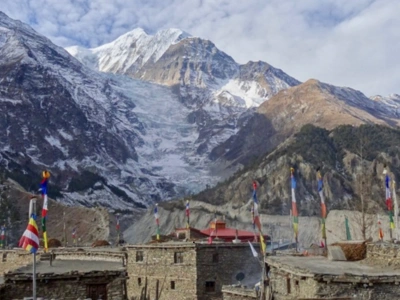
In the lower elevations, you may meet Gurung communities. They wear traditional dress, including a bhoto (vest) and gunyo cholo (for women). They speak Tamu Kyi or Tamu Bhāṣā and celebrate festivals like Losar. In Pisang, Braga, and Manang, you will see Manangi communities. They follow Tibetan Buddhism. Their houses are made of stone and wood, with flat roofs used to dry wood (daura) and grains. As cultural Himalayan food, you will eat Dal Bhat Tarkari, Gundruk (fermented leafy greens), Dhindo (buckwheat or millet porridge), Tsampa, Thukpa, and Tibetan bread.
Highlights of the Annapurna Circuit Trek – 19 Days
- Complete Himalayan Circuit: this is a circular trip that circles the Annapurna Massif. This starts from Besisahar and ends in Pokhara, making a circuit-like trip.
- Thorong La Pass (5,416 m): Do you know that it is the world's highest trekking pass? from here, you can see Annapurna, Dhaulagiri, and the surrounding peaks
- Top Mountains & Peaks: You can witness world top mountains, including Annapurna I-IV, Gangapurna (7,455 m), Tilicho Peak (7,134 m), Dhaulagiri I (8,167 m), Manaslu (8,163 m), and Nilgiri North/South.
- High-Altitude Lakes: you will pass through high-altitude lakes like Gangapurna Lake, Ice Lake (Kicho Tal), and Dhumba Lake, including Phewa Lake in Pokhara.
- Ecological Diversity: Walk through subtropical forests of sal, bamboo, rhododendron, and high-altitude meadows blooming with alpine herbs, mosses, and lichens.
- Rich Wildlife: You may encounter Himalayan wildlife such as blue sheep, Himalayan tahr, musk deer, langurs, and birds like the Himalayan monal, snow pigeon, and golden eagle in less-crowded forest areas.
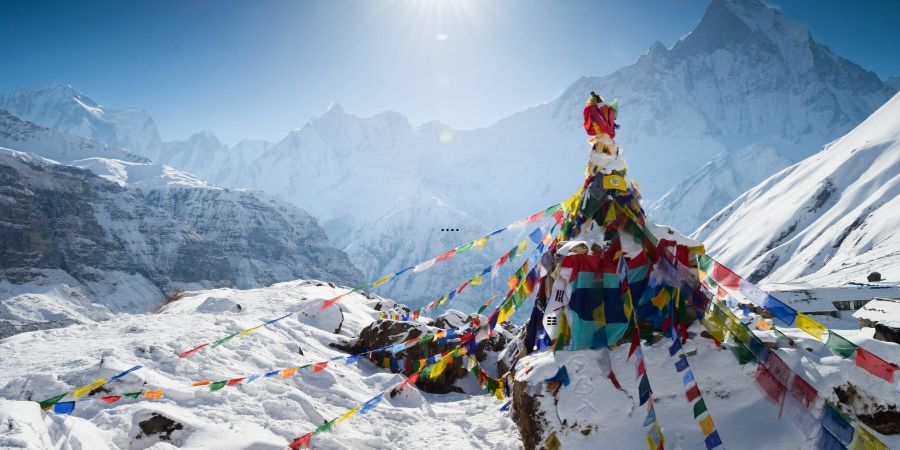
- Sacred & Cultural Sites: You can visit Hindu temples like Muktinath Temple, the ancient Braga Monastery, and countless mani walls, chortens, and Buddhist gompas along the trail.
- Ethnic & Cultural Immersion: you can meet and interact with Gurung, Tamang, Magar, Thakali, and Manangi communities during this trek.
- Authentic Local food: you can taste regional Himalayan dishes like Dal Bhat Tarkari, Dhindo, Thukpa, Tsampa, Yak Cheese, Tibetan Bread, and Marpha Apple Pie.
- Festivals & Traditions: You can experience traditional Himalayan celebrations such as Losar, Yartung Horse Festival, Dashain, and Tihar, depending on the season.
Route Overview of the Annapurna Circuit Trek
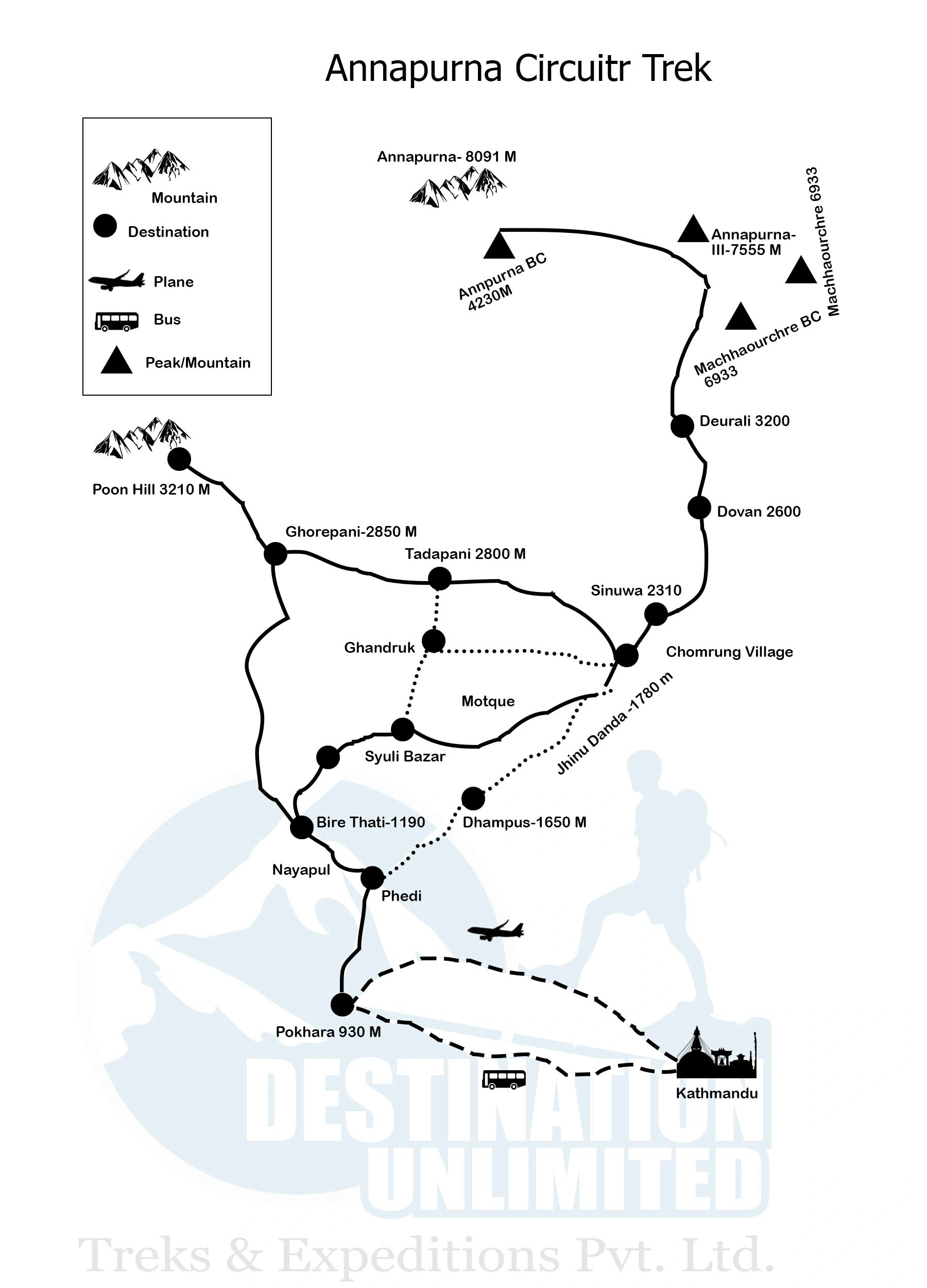
The journey’s starting and ending point is Kathmandu. But the actual trek begins from Besisahar after driving approximately 175 km from Kathmandu. At Besisahara, we take a short rest, launch and start trekking to the Annapurna Region.
After Besisahar, you will enter the Marsyangdi Valley, with waterfalls and terraced fields. From Jagat to Dharapani, there are steep climbs and suspension bridges over rivers. You know? You climb uphill as an adventurer and take a deep breath, enjoying the cold air on the suspension bridges. Thinking with your heart, you may say, “Oh! Trekking is like this.” We take our first overnight stay of the trek at Dharapani.
Did you know that the trek from Chame (2,710 m) to Pisang (3,300 m) is a stunning section of the Annapurna Circuit ? Yes, it is. It is a moderately difficult portion with an elevation gain of ~590 meters. Chame is the district headquarters, where you will find everything, including good lodges, ATMs and gear shops. From Dhukur Pokhari, you start to see mountain ranges like Pisang Peak and Annapurna II.
The trek from Pisang (3,300 m) to Manang (3,540 m) is one of the most scenic and culturally enriching sections of the Annapurna Circuit. We can take the Upper Route via Ghyaru and Ngawal or the Lower Route via Humde. It is a moderate to challenging (upper route) section. The trail in this portion is relatively flat and straightforward. You may feel tired during this route. We take an overnight stay and acclimatize in Manang. The trek from Thorong Phedi (4,540 m) to Muktinath (3,800m) via Thorong La Pass (5,416 m) is the most demanding day on the Annapurna Circuit—physically challenging and mentally rewarding. The trail involves a steep ascent to the pass followed by a long, steep descent into the Mustang region.
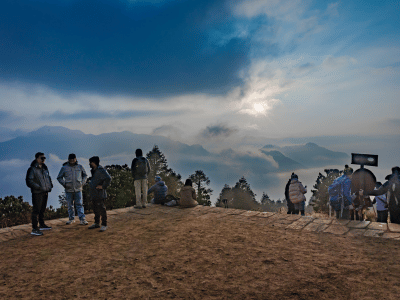
The route from Muktinath, Marpha, Kalopani, Tatopani, Ghorepani, and Poon Hill offers everything from a spiritual atmosphere (Muktinath) to stunning mountain views (Ghorepani and Poon Hill). This portion is also rich in cultural exploration, with traditional communities in time-honored villages.
The route from Poon Hill, Ghorepani, Tadapani and Ghandruk is a mix of mountain views and cultural richness. The journey passes through Deurali Pass (3,090 m) and beautiful woodlands, often spotting langurs or Himalayan birds. Ghandruk is a traditional Gurung village with museums and stone-roofed houses.
Truly, this is one of the most unforgettable treks. Do you wish to trek with us at least once? Please contact us—we will talk with you and provide detailed information to help make this trip a reality for you.
Table: Details of the route overview of Annapurna Circuit Trek
Annapurna Circuit —What to Expect
The Annapurna Circuit Trek is one of the most iconic trekking adventures in Nepal. On this 19-day journey with Destination Unlimited Treks, you can expect stunning mountain views, cultural experience and some wildlife and birdwatching. You will get a changeable landscape every few hours.
You trek from the lower, lush green hills to dry, rugged and dramatic high-altitude terrain. You will cross Thorong La Pass (5,416 meters)—the highest point of the trek.
You can expect to walk 5 to 7 hours a day on varied trails, from stone-paved paths to slippery downhill, steep traditional villages and rocky mountains. While we trek slowly , the altitude starts to increase gradually and we take rest, stop, eat lunch, sleep at night and acclimatize at the right stop.
You never forget staying in local teahouses, meeting friendly people from different ethnic communities like the Gurung, Thakali, and Manangi, and enjoying hearty Nepali meals like dal bhat, soups, noodles, and momos.
Weather are unstable during entire trek. You can expect warmer days at lower elevations and colder nights at higher elevations. Hot showers, charging stations, and Wi-Fi are available in most places (for a small extra cost), though they become limited as you climb higher.
This trek offers a perfect mix of scenery, culture, adventure, and challenge, making it one of the most rewarding treks in the world.
Annapurna Circuit Trek Cost—Full Breakdown
When you book the 19-day Annapurna Circuit Trek with Destination Unlimited Treks, everything is handled for you—from permits and transportation to meals, accommodations, and professional support. Our all-inclusive package ensures a smooth and memorable trekking experience with no hidden costs.
For the sake of your benefit, we are going to provide a tentative cost breakdown for this trek. The per-day cost may range from USD 70 to USD 120. It means for 19 days, the cost may range from USD 1330 to USD 2220 depending on your group size, service upgrades, and travel season.
Here’s a basic cost breakdown:
Difficulty and Physical Fitness Required
The Annapurna Circuit Trek is considered a moderate to challenging trek. It covers a variety of terrains, ranging from gentle trails through villages to steep climbs and high mountain passes like Thorong La at 5,416 meters. Because of the altitude and the length of the trek (more than 12 days), you’ll need good physical fitness and some trekking experience to enjoy it comfortably.
You don't need to be an expert hiker, but previous hiking experience is recommended. You can practice cardio workouts, leg-strengthening exercises, and other preparations 2–3 months before the trek. High-altitude sickness is a real possibility when reaching elevations above 5,000 meters. You are advised to hike slowly, stay hydrated, and listen to your body.
With the right training and mindset, the Annapurna Circuit Trek offers an unforgettable adventure with stunning mountain views and rich cultural experiences.
Permits Required for the Annapurna Circuit Trek
Before you start the Annapurna Circuit Trek, you must have the right permits to enter the Annapurna Conservation Area and trek legally. The two main permits are the Annapurna Conservation Area Permit (ACAP) and the Trekkers’ Information Management System (TIMS) card.
The ACAP permit helps protect the beautiful mountains, forests, and wildlife in the region. The TIMS card is used to keep track of trekkers’ safety during their journey. You can easily get both permits in Kathmandu or Pokhara, and Destination Unlimited Treks will help you with this. Remember to always carry your permits with you, as park rangers might check them along the way.
What is the best season to trek the Annapurna Circuit?
The best seasons to trek the Annapurna Circuit are spring (March to May) and autumn (September to November). These months offer ideal trekking conditions, stunning views, and comfortable weather. You can get detailed information on each season below:
Most Popular and Reliable Season—Autumn (September–November)
Why it's great:
- Clear skies and sunny days
- Breathtaking views of the Himalayas
- Lively trails with many trekkers and open teahouses
Things to consider:
- October is crowded so you can expect busy trails and lodges
- Cold nights at high altitudes like Thorong La Pass
Best for: Trekkers who want stable weather, clear mountain views, and a social atmosphere
Colorful, Warmer, and Less Crowded—Spring (March–May)
Why it's great:
- Hills bloom with rhododendrons and wildflowers
- Warmer temperatures, especially at lower elevations
- Less crowded early in the season
Things to consider:
- Occasional rain in May
- Slightly hazy views in late spring
Best for: Nature lovers who enjoy flowers, warmer days, and quieter trails
Cold, Quiet, and Tough—Winter (December–February)
- Extremely cold, especially at high altitudes
- Thorong La Pass may be closed due to snow
- Fewer trekkers and limited accommodation
Only for: Experienced trekkers ready for extreme cold and remote conditions
Wet, Slippery, and Risky—Monsoon (June–August)
- Heavy rain and muddy trails
- Leeches and poor visibility
- Most trekkers avoid this season
Not recommended: Too much rain, high risks, and blocked mountain views
If you want perfect weather and clear views, you can choose autumn, but if you prefer warmer temperatures and blooming trails, you can choose spring. You can daringly choose other seasons also with some risk.
Accommodation and Food During the Trek
On the annapurna Circuit Trek, accommodation is mostly provided in teahouses that are small and often family-run lodges in himalayas. They offer a warm and welcoming atmosphere. These teahouses provide basic rooms with simple beds and blankets. Bathrooms are usually shared and may be square-style, especially at higher altitudes. Do you know? As you climb higher, all facilities become more basic, and prices tend to rise.
Food along the trail is freshly prepared daily, using local ingredients. The staple meal is dal bhat, a nutritious plate of rice, lentils, and vegetables, perfect for fueling long trekking days. You’ll also find a variety of dishes like noodles, soups, pancakes, eggs, and Tibetan specialties such as momos (dumplings) and thukpa (noodle soup).
Prices for both accommodation and meals increase with altitude, so it’s wise to carry extra cash. Many teahouses offer hot showers for an additional fee, which can be a welcome treat after a long day on the trail.
Staying in these teahouses gives you a chance to experience local hospitality and meet fellow trekkers from around the world, making your journey even more memorable.
Accommodation and Food During the Annapurna Circuit Trek
Annapurna Circuit Trek vs. Other Short Treks in Annapurna
The Annapurna Circuit Trek is a longer and more challenging adventure compared to other short treks in the Annapurna region. It crosses the Thorong La Pass (5,416m) and offers dramatic scenery, cultural diversity, and changing landscapes—from lush forests to dry highlands.
If you're short on time or want something easier, treks like the Ghorepani Poon Hill Trek, Mardi Himal Trek, or Ghandruk Trek are better options. They offer stunning views and shorter routes and are great for beginners or families.
While the Annapurna Circuit is ideal for those seeking a full Himalayan experience, the shorter treks are perfect for quick getaways with less physical demand.
Other Annapurna Region Treks You May Like
If you’re looking for alternatives or shorter routes, check out these top Annapurna treks for unforgettable Himalayan experiences.
Annapurna Base Camp Trek - 15 Days
This 15-day trek to Annapurna Base Camp is a rewarding journey through forests, waterfalls, and cultural villages to the base of the world’s 10th highest mountain. With views of Annapurna, Machhapuchhre, and Hiunchuli, plus authentic food and local traditions, it’s an unforgettable Himalayan experience.
Annapurna Base Camp Short Trek - 10 Days
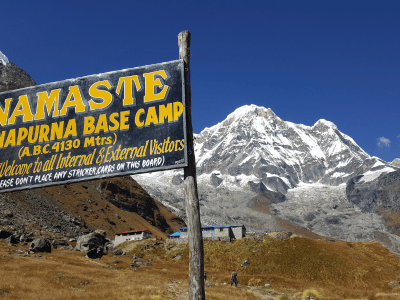
The 10-day Annapurna Base Camp Short Trek takes you from Kathmandu to ABC (4,130 m) and back, offering a scenic, culturally immersive, and adventure-filled Himalayan journey. Along the way, enjoy close-up views of Annapurna South, Machhapuchhre, Gangapurna, Hiunchuli, Annapurna II, and Annapurna III, while experiencing the warm hospitality and traditions of Gurung, Magar, and Lama communities.
Mardi Himal Trek
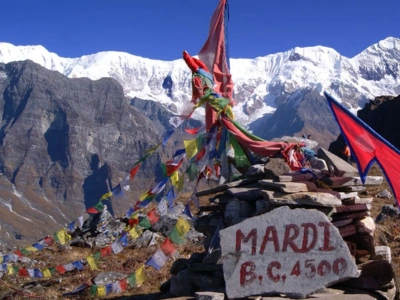
The Mardi Himal Trek is an 11-day adventure in the Annapurna region. Starting from Phedi near Pokhara, the trek takes you through forests, small villages, and open meadows to reach Mardi Himal Base Camp at 4,500 meters. You will see beautiful mountains like Annapurna South, Hiunchuli, Machhapuchhre, and Lamjung Himal, while experiencing the warm hospitality of Gurung, Magar, and Tibetan communities.
Trip Essentials And Trip Information
Visa: Foreign nationals can obtain a visa for Nepal either on arrival at Tribhuvan International Airport or at other designated border entry points, or in advance from a Nepalese embassy or consulate abroad. You must have a passport with at least 6 months of validation. The tourist visa costs around USD 50 for a 30 days duration.
Currency Exchange: Nepal uses the Nepali rupee (NPR). The current exchange rate is about 135 NPR for $1 USD. You can exchange money easily at banks or licensed money changers in Kathmandu and Pokhara. ATMs are also available in major towns.
Travel Insurance: Travel insurance is a must for the Annapurna Circuit Trek. Your policy should cover medical expenses and emergency helicopter evacuation up to 5,500 meters, since you'll be crossing high passes like Thorong La. Insurance costs vary from $30 to $150 USD based on coverage.
Extra Costs: It’s wise to carry extra cash for things not included in your package, like hot showers, charging devices, Wi-Fi, snacks, drinks, souvenirs, and tips for your guide or porter.
How To Book This Trek
Ready to book your Annapurna Circuit Trek? It is very easy and secure with us. You can secure your trip online using your Visa or MasterCard through our secure payment system. If you’d rather pay by bank transfer, no problem—just contact us, and we’ll send you the account details.
We request 20% advance payment. You can pay the rest when you arrive in Nepal. After confirmation of your advance payment, you will get an email notification including the invoice.
Your timely booking helps us to arrange everything. It helps us to buy trekking permits, prebook accommodation and food, assign guides and porters, and pay for transportation.
Got questions before you book? We’re always here to guide you through every step.