


Lobuche Peak Climbing Overview
Are you planning to climb a peak? You can climb one of the famous peak of Nepal, Lobuche. It is located near the Khumbu Glacier and Mount Everest. This climb offers mountaineers the opportunity to see mountains like Everest (8,848 meters), Lhotse (8,516 meters), Makalu (8,481 meters), and Ama Dablam (6,812 meters). Lobuche Peak is generally divided into two parts. East Lobuche and West Lobuche. Both peaks are respected in terms of height. East Lobuche is an officially opened climb by the Nepal government, which is a bit easier, but West Lobuche is not official and is a bit difficult to climb. This 20-day trekking and climbing journey starts from Lukla via Phakding and ends after climbing the peak. You can easily trek in autumn (after monsoon) and spring. When grading the difficulty, this trek can be graded as PD (Peu Difficile / Fairly Difficult). Are you really planning to do this trek? If so, then you can consider us Destination Unlimited Trek. We will help you climb it easily.
The trek proceeds along the banks of the Dudh Koshi River. The murmur of the river, the rugged path and what would a hiker think? The journey covers the distance with emotion. The journey is sometimes along the riverbanks, sometimes through suspension bridges, sometimes through the gorges, sometimes through the dense forests of Rhododendrons, sometimes through the snow, the edge of the glacier, etc. The body, tired on the trail, feels rested as soon as you reach the Sherpa village. The journey also enters the Death Zone. The journey over the snow and along the banks of the glacier is not easy. The journey progresses through geographically diverse places. Perhaps many people will not easily forget this journey.
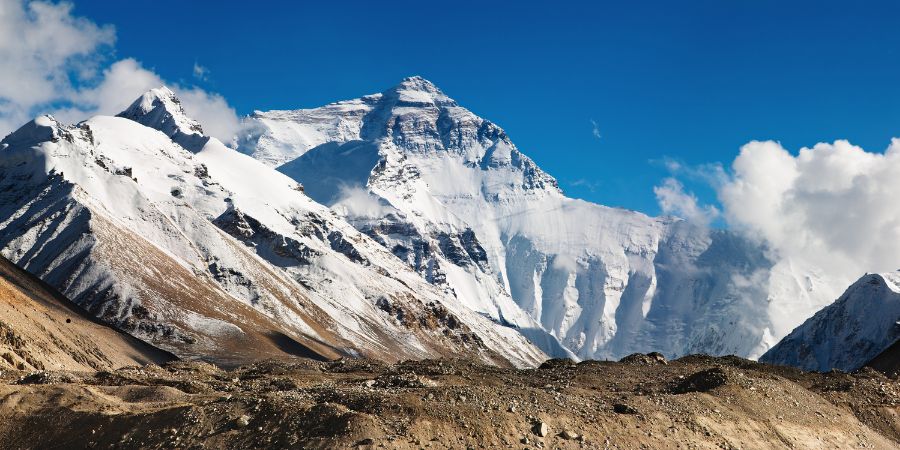
When you start your journey from Namche Bazaar, you start seeing mountains like Kusum Kanguru, Thamserku, and Kongderi. After climbing a little higher, you will see the vast view of Ama Dablam right in front of your eyes. Ama Dablam is considered as one of the most beautiful mountain in the world, whose beauty enchants all connoisseurs. When the journey enters the Khumbu region, you will be able to see the world's highest mountains, like Everest (8,848 meters), Lhotse (8,516 meters), Nuptse, Makalu (8,481 meters), Cho Oyu (8,188 meters), and Pumori (7,161 meters). Standing at the Everest Base Camp and Kala Patthar, when a traveler looks around, his emotions calm down for a moment; perhaps the mind will not be able to forget it. Finally, after climbing the Lobuche East Peak (6,119 meters), the climber will feel a great achievement. From here, the view is visible in 360 degrees in all directions. You can capture this special moment forever through photos and videos on your camera.
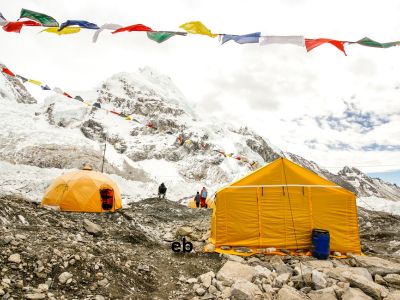
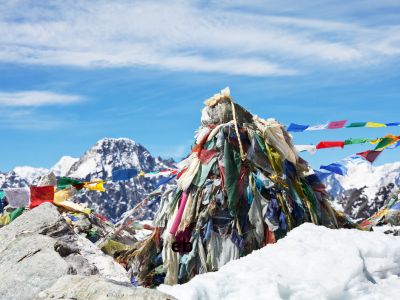
This trip is not limited to just climbing the peak. You will get the opportunity to study the lifestyle of the Sherpa tribe living in the mountains of Nepal closely. From Lukla to Namche Bazaar, you can see colorful prayer flags, ancient gemstones, and chortens decorating the villages. This will give you a deep feeling of Buddhist tradition. In Tengboche, trekkers can witness daily prayers at the famous Tengboche Monastery, where monks chant mantras and the sound of horns and drums fills the air, creating a peaceful and spiritual atmosphere with the backdrop of Mount Dablam and Mount Everest. You can also witness Sherpa festivals like Mani Rimdu during the festival. You can witness masked dances and dances that showcase spiritual power. This festival is celebrated in a special way. You will also get to experience the special hospitality of the Sherpa community. It will be an unforgettable experience for you.
Do you want to fulfill this once-in-a-lifetime golden opportunity? Destination Unlimited Trek offers you a Lobuche Peak Climbing trekking package at an affordable price, accompanied by an experienced guide.
Lobuche Peak Climbing Highlights
- Lobuche East Peak (6,119 meters) Climb—On this trek, you will climb Lobuche East Peak, considered among the higher peaks in the world. It is a classic trekking peak near the Khumbu Glacier. This trek will be special for anyone who is brave and loves adventure.
- Panoramic Himalayan views - You will get to see mountains like Everest (8,848 meters), Lhotse (8,516 meters), Makalu (8,481 meters), Cho Oyu (8,188 meters), Ama Dablam (6,812 meters), Nuptse, Pumori, Thamserku from up close.
- Combination of trekking and climbing—You can experience Everest Base Camp trekking, Kala Patthar trekking, and climbing of Himalayan peaks in one trip. So this trip will give you the experience of both trekking and climbing.
- Diverse Landscapes—This trek is full of diversity. You will travel through lush rhododendron forests, suspension bridges, roaring rivers, glaciers, and high-altitude snowfields. This trek is very significant in terms of trekking and scenery.
- Cultural Immersion—You will experience Buddhist traditions and discover Sherpa villages adorned with prayer flags, gemstones, and chortens. This trek is culturally rich.
- Spiritual Encounters—You can visit Tengboche Monastery. During the rainy season, you can celebrate sacred festivals like Mani Rimdu. Masked dances and rituals can be included.
- Rich Sherpa Hospitality—You will experience the hospitality of the Sherpa people who live in the Himalayan region of Nepal. You will get to observe the lifestyle of the Sherpa people up close. You will also get to eat Himalayan cuisine while staying in a tea house.
Route Overview of the Lobuche Peak Climbing
Your journey begins with a landing in Kathmandu. The first day you will stay in Thamel, and the next day you will explore the Kathmandu Valley. In the evening you will meet your climbing guide, checking your gear, and receiving final instructions for the trek. This will make your journey easier. Are you ready for the journey?
Now we fly to Lukla. Our main trek starts from Lukla. We will be accompanied by a guide and a porter. Today we will trek to Phakding. This trek starts along the banks of the Dudh Koshi and continues. In some time, we will reach Phakding through pine forests and Sherpa villages, where we will stay.
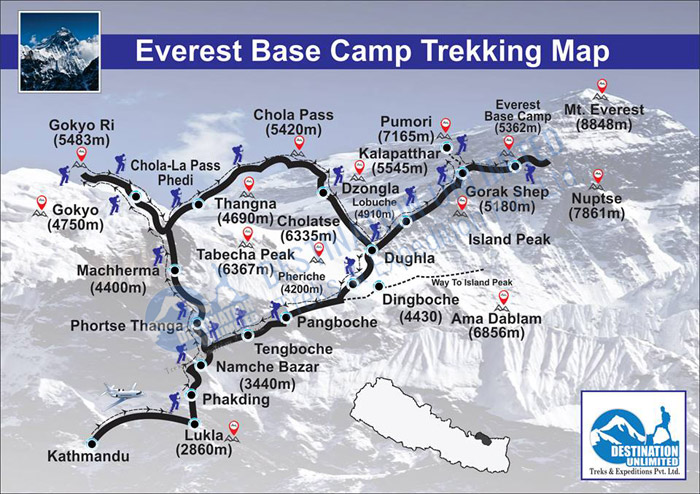
The trek gradually reaches Namche Bazaar. This is a big town for the Sherpas. It is also the main gateway to Everest. We will stay in Namche Bazaar for a day for acclimatization. You will do a short hike to Everest View Hotel or Khumjung village, from where you can see the magnificent views of Everest, Ama Dablam, Thamserku, and Lhotse. The next day we will travel to Tengboche, which is famous for the Tengboche Monastery, which is the largest monastery in the Khumbu region. Where you can watch the Buddhist prayers in the evening.
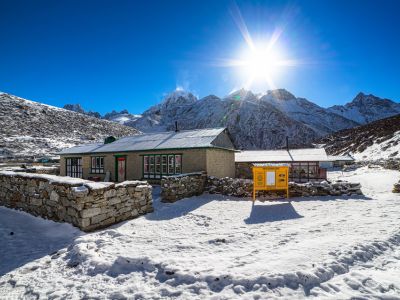
Now we slowly descend through the forest path. After some time of trekking we reach Pangboche and enter the Imja Valley. There you will see terraced fields surrounded by stone walls. Such walls are often built in the hilly areas. These stone walls are built to protect the crops from wild animals and cold winds. As the journey progresses, we slowly reach Dingboche. Dingboche is also known as the "Summer Valley." From Dingboche, you can easily see the magnificent views of Lhotse, Island Peak and Ama Dablam. These views will make you happy.
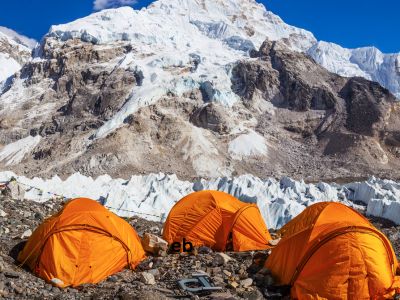
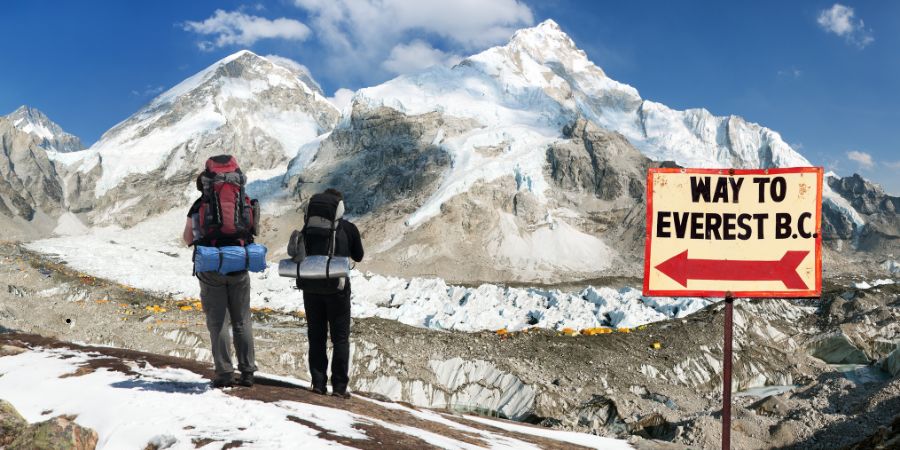
When you see the mountains at sunrise, the beauty of this time cannot be easily described. You will see a similar view from the Kala Patthar area. We travel early to see the sunrise from Kala Patthar. You can see the unique view of Everest, Lhotse and Pumori from Kala Patthar. After some time of Kala Patthar trekking, we descend to Gorak Shep. Here we have breakfast and travel towards Lobuche. The journey to climb Lobuche East Peak starts from Lobuche. First of all, we travel to the base camp of East Lobuche Peak. You have to walk through rocky terrain and steep hills to reach the base camp of East Lobuche Peak. This camp is located at the foot of Lobuche East Peak, which is surrounded by glaciers and high mountains. Here you will rest for some time and prepare for the climb. At this time, the guide will inform you about how to climb.
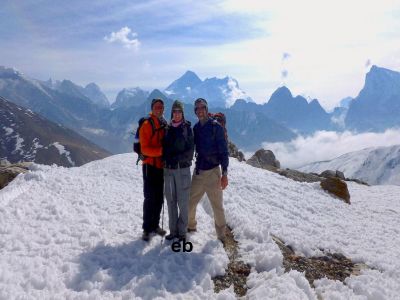
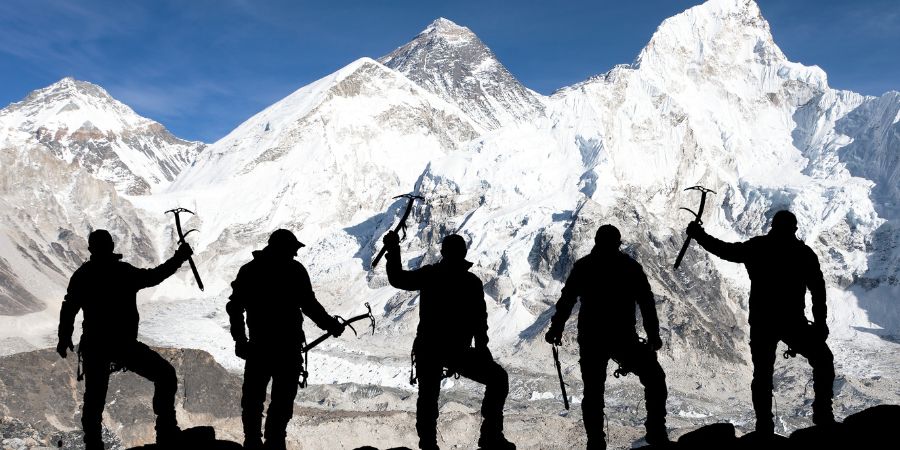
The summit climb begins before midnight. The climb begins with rocky paths, snow-covered slopes and steep sections tied with ropes. After hours of effort, you will stand on the summit of Lobuche East Peak (6,119 meters), where you can enjoy 360° views of Everest, Lhotse, Makalu, Ama Dablam and Cho Oyu. The feeling of triumph and awe is indescribable. After the celebrations, you will safely return to base camp.
Thus, after the summit climb, the journey returns. The journey returns via Lobuche, Dingboche, and Namche Bazaar and arrives in Kathmandu via air from Lukla.
Lobuche Peak Climbing – 20 Days Itinerary
Lobuche Peak Climbing — What to Expect
The Lobuche Peak Climbing Trek is a thrilling undertaking in the Everest region that involves a great trek culturally, a fantastic trek at a high altitude, and the excitement of climbing a Himalayan peak. The Everest region in 20 days offers the very best of the Khumbu region, from lively Sherpa villages, fascinating glaciers to stunning mountain views.
You will meet your guides in Kathmandu and go through your equipment as well as all your permits. Then it is the short but dramatic flight over the mountains to Lukla, and the trek begins through villages such as Phakding, Namche Bazaar, and Tengboche that have amazing cultural flavor, monasteries, and beautiful views of the Himalaya mountains. You will also have acclimatization days in Namche and Dingboche so your body can become accustomed to the altitude, and you will also be able to take shorter hikes with fabulous views of the majestic peaks that surround you.
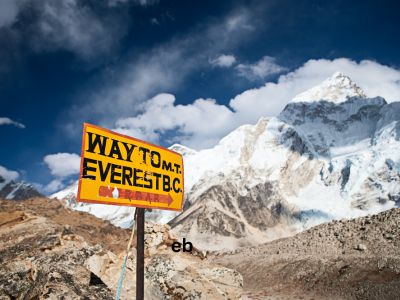
Once you visited Everest Base Camp (EBC) and climbed Kala Patthar (the best lookout point to view Mount Everest, Lhotse, Nuptse, and Ama Dablam), your climbing day will be preceded by training from your guides at Lobuche Base Camp on ropes, crampons, and ice axes that they feel are essential for your summit attempt. There are quite a few challenging sections to the climb, consisting of boulders, snow, and ice, but your reward for reaching the top of Lobuche Peak (6,119m) is a spectacular 360° view of the Himalayas which very few people ever see.
The trek back passes through the same villages that you just descended back down, and then you fly back to Kathmandu before going home. Overall, the trek combines adventure while learning about different cultures, and simply being outside in its unrestricted beautiful splendor. A great trip for all adventurers.
Lobuche Peak Climbing Cost—Full Breakdown
Climbing Lobuche Peak is one of the most thrilling days in the Khumbu/Everest region, but a common question asked by many trekkers is what is the price of climbing Lobuche peak? The total cost consists of the paying for permits for climbing Lobuche peak, paying for a guide, paying for a porter (if you use one), the price you will pay for accommodation and meals, and the cost of your flight. Below we will break this down so you have a better understanding of the cost.
With a trustworthy tour company like Destination Unlimited Treks, you can be assured that all of these costs will be disclosed and you will not have to factor in sneaky fees. Budgeting in advance will help provide the best opportunity for the Lobuche Peak Climb to be an enjoyable, unique adventure in the Everest region!
Difficulty and Physical Fitness Required
Lobuche Peak climbing is a significant undertaking, but you don't need to be a mountaineer. You do, however, need to be moderately fit and able to walk long hours. Given that the summit is over 6,100 meters, altitude can be tough going even for fit people.
The itinerary has rest days at our stops in Namche Bazaar and Dingboche, and these days are critical for your body to acclimatize, and avoid any altitude sickness.
If you are active, hike regularly, and are willing to challenge yourself, you should be above average. If you do not hike or walk for long hours, or are not accustomed to altitude, it can be exhausting. The most important thing about the trek is listening to your body, and taking your time.
With a bit of will and moderate fitness, most people are going to have a great time trekking, and a fair chance of summiting, to have an amazing experience. It is still hard work, but well worth it.
Permits Required for the Lobuche Peak Climbing
Prior to embarking on your Lobuche Peak Climb, it is essential that you have all of the proper permits in order. These permits allow you to enter the Everest region, climb the peak legally, and follow the rules of the local government. Destination Unlimited Treks, will help arrange and obtain these permits, but it is helpful to know what permits you will need and the fees associated.
In fact, having your permits arranged in advance helps your trek be much smoother with one less hassle added a few days before your trek. Destination Unlimited Treks, they handle all of the paperwork so you can relax and enjoy the adventure and scenery of the Himalayas.
Lobuche Peak Climbing vs. Other Treks in Everest Region
The primary difference between Lobuche Peak Climbing and the other treks in the Everest region is the level of adventure. Regular treks like Everest Base Camp Trek or Gokyo Lakes Trek are primarily long hikes on well-used trails, where walkers travel through villages, suspension bridges and amazing views of remarkable mountains. They are physically tough but don't require any climbing.
Lobuche Peak is much more than trekking and follows the same trails as Everest Base Camp but after you have reached base camp, you position yourself to climb the peak itself. The climbing itself requires a fundamental level of mountaineering equipment such as climbing ropes, crampons and a harness. It is physically more demanding and harder to do than trekking activities, but still not as intense as the higher-level expeditions.
The best aspect of Lobuche is the reward when you stand at the summit and take in close-up views of Everest, Lhotse and Ama Dablam -there is no regular trek experience that provides you with that extensive feeling.
In summary:
Everest Base Camp Trek / Gokyo Trek → Trekking only, great views, no climbing.
Lobuche Peak Climb → Trekking + experience as a climber + unbeatable views from the summit.
What is the best season for Lobuche Peak Climbing ?
Choosing the right season is super important for a successful Lobuche Peak climb. The weather in the Everest region can change quickly, and good conditions make the climb both safer and more enjoyable. The best time is usually spring (March–May) and autumn (September–November). These months have clear skies, stable weather, and better visibility of the mountains.
Here’s a quick breakdown of the seasons:
Spring (March–May)
- One of the best times to climb.
- Clear skies, warm days, and blooming rhododendrons on the lower trails.
- Excellent summit views.
Summer/Monsoon (June–August)
- Heavy rain, slippery trails, and poor visibility.
- Not recommended for climbing.
Autumn (September–November)
- Another perfect season.
- Crisp air, stable weather, and stunning mountain panoramas.
- Very popular, so expect more climbers.
Winter (December–February)
- Very cold with heavy snow and icy trails.
- Only for experienced climbers who can handle extreme conditions.
- Most climbers pick spring or autumn for the best mix of safety, clear weather, and amazing views.
Trip Essentials And Trip Information
Before getting on the Lobuche Peak Climb, it is important to get these logistics out of the way ahead of time because this will help avoid headaches once you are away in the mountains. The less time spent on logistics and details once the adventure is underway, the better! Here are important logistical details to understand before the trip begins, from visas and money, to permits and insurance:
- Visa for Nepal
Unless you are from India, you will need a tourist visa to enter Nepal. The good news is that you can obtain a Nepalese visa easily on your arrival into Kathmandu Airport. You can obtain a visa for 15 days for about $30, and if you plan for a longer trip you can obtain 30 (or 90) days as well. Don't forget to make sure your passport will be good for at least six months. - Money and Exchange
Nepal uses Nepali Rupee (NPR). While you can exchange cash or use an ATM in Kathmandu, you will need to use cash on the trek, as tea houses and other shops do not accept cards. There will be very few ATMs on the trekking route, so make sure to bring plenty of cash. Be sure to use smaller bills for snacks, hot showers and Wi-Fi. - Travel Insurance
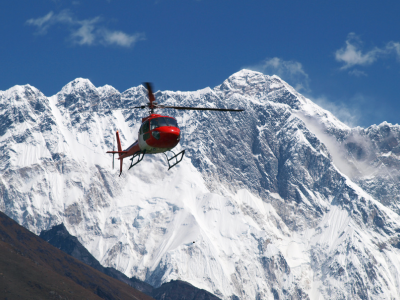
Travel insurance is essential for climbing Lobuche Peak; however, we would recommend getting travel insurance for all forms of climbing. Your travel insurance should be dedicated to summit climbing or high-altitude trekking, so check to see what the policy will cover for an emergency helicopter rescue. You will be glad to have this policy in hand if you develop altitude sickness or if there are any accidents or other health troubles when you are in the mountains!
How To Book This Trek?
Booking the Lobuche Peak Climb with Destination Unlimited Treks is a straightforward procedure. We like to manage everything important on your behalf before you arrive in Nepal so that everything can run smoothly, and you can simply enjoy your adventure trip.
First, you need to contact us. You can use WhatsApp, email or our website. We respond promptly and are always happy to clear up any doubts or answer any questions before you make your booking.
Once you have contacted us, you can designate the dates that best align to your travel plans. We will help you designate the right time for your trip, depending on weather conditions and flight times to Lukla. After you have solidified the dates, we will send you a detailed itinerary. This contains everything, including permits, internal flights, meals, accommodation, guide and porter and other details you should know.
Once you are happy with everything, you confirm the booking with a small deposit, is usually of 20%. Payment can be made online, via bank transfer, or sometimes in person once you arrive in Kathmandu. Once your booking is confirmed, we will send packing lists and tips to help you prepare for your climb.
When you book your climbing adventure with Destination Unlimited Treks, you get much more than a climbing adventure. You get peace of mind knowing that everything from your arrival in Nepal to your departure is taken care of by an experienced team. All you need to do is show up and enjoy the journey.