


Everest Base Camp with Island peak Climbing Overview
Everest Base Camp with Island Peak Climbing is an adventurous trek in the Everest region of Nepal. This 18-day trek is a must-do for anyone who wants to climb Island Peak (Imja Tse, 6,189 meters). This trek can be easily done in the winter and spring seasons. On this trek, you can experience both the cultural richness of the Khumbu region and the thrill of mountaineering. Destination Unlimited Trek offers this trek to you conveniently at a discounted rate with the help of an experienced guide. Would you like to do this trek?
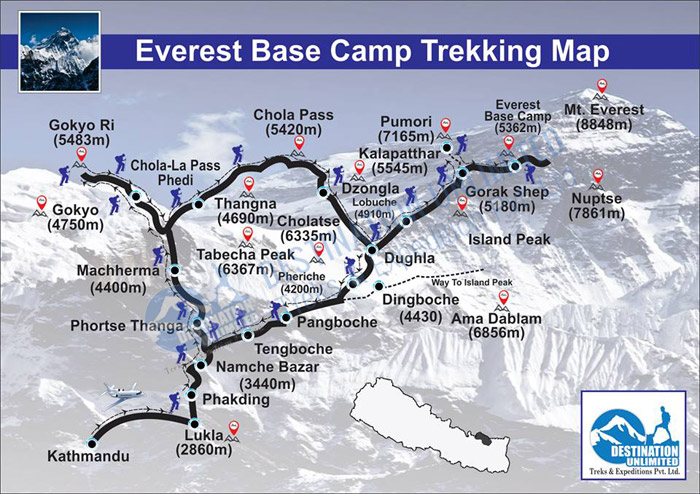
The trek follows the classic Everest Base Camp Trail, which passes through Phakding, Namche Bazaar, Tengboche, Dingboche and Lobuche. Not all treks are the same. Sometimes the trek climbs the steep mountain passes and sometimes descends. The trek progresses on small trails. The trails are filled with small stones and pebbles. The view from the trails is breathtaking , sometimes it's bare mountains and sometimes it's lush green forest. You will travel through small streams and even cross suspension bridges. As the trails move forward through Sherpa villages, you will also enter the dense forests of Salla, Dhupi, and Uttis. What you experience may differ depending on the season. When you enter the main Everest region, start seeing the mountains, and travel over the snow, the experience of each trail hits different. Honestly, this journey is unforgettable for everyone.
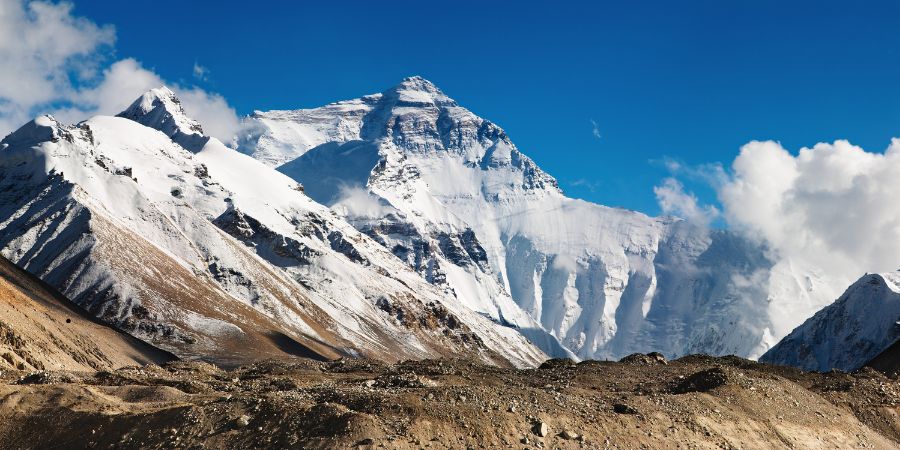
This trek takes trekkers deep into the Khumbu region, where every day offers a new view of the majestic mountains of the Himalayas. You will reach the world's highest peak, Everest Base Camp, and reach Island Peak. You will see many famous mountains up close, including Everest (8,848.86 m), Lhotse (8,516 m) - the fourth-highest mountain, Nuptse (7,861 m) - the protector of Everest, Ama Dablam (6,812 m) - the jewel of Khumbu, Makalu (8,485 m) - the fifth-highest mountain, Baruntse (7,129 m), Thamserku (6,623 m) and Kangtega (6,782 m), Island Peak (Imja Tse, 6,189 m). Reaching these mountains will bring peace and joy to your mind. You probably feel very proud to have reached the highest mountain in the world. Did you know that mountains look better from a distance than up close? You can take some pictures, videos, reels, etc. with the mountains in the background.
The Khumbu region is traditionally Sherpa land. Here you will not only experience mountain peaks but also the centuries-old Sherpa tradition, Himalayan hospitality, real spirituality, etc. This trek has a very rich culture to explore. You will have the opportunity to witness Tibetan Buddhism, highland rural culture, and unique mountain resilience. In places like Namche Bazaar, Tengboche, Pangboche, Dingboche, and Chhukung you will meet the Sherpa community and witness their way of life. Like many other Himalayan people, most Sherpas are farmers who herd sheep and goats. Some do work in the tourism business as well. You will notice that the settlements here have a distinct character. Some are traditional stone and mud houses, while others have modern roofs but still look unique with buildings constructed from local materials. You will see prayer flags on almost every house, a fascinating part of Sherpa culture. For example, the Sherpa community will be celebrating Dumji Parva in late June, Mani Rimdu Parva in late October, and Losar in February/March, when you will be on the trail during the various festivals! Sherpas are able to live a simple life but they are never forgettable for their warmth and generosity.
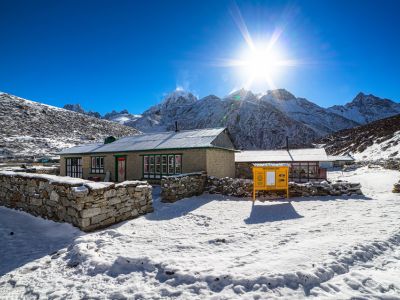
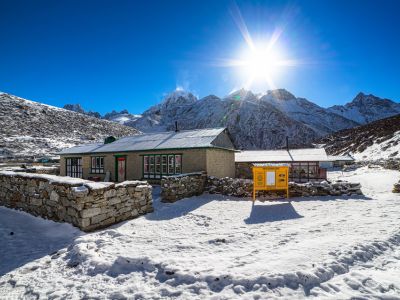
In the past, climbers had to camp, but now tea houses (mountain lodges run by local Sherpa families) are abundant. These tea houses have their own unique characteristics. You can eat Himalayan and Tibetan cuisine. There are small rooms for sleeping, as well as single and double beds in the rooms. You can also experience the Sherpa lifestyle and culture while staying in tea houses. You can eat dishes like Dal Bhaat (rice, lentils, vegetables), noodles, pasta, momos (dumplings), soups and pancakes. You can listen to local legends, mountaineering stories, etc. at the tea houses.
Honestly, this trip could be a once-in-a-lifetime trip for you. Would you like to travel with us? You can contact us to know more about the trip.
Everest Base Camp with Island peak Climbing Highlights
- Mountain Viewing Tour: You will see mountains such as Everest, Lhotse, Nuptse, Makalu, Amadablam and Baruntse up close.
- Sherpa Culture and festivals - You will see traditional Sherpa villages, ancient monasteries, and seasonal festivals including Dumji, Mani Rimdu and Losar in the Everest region.
- Everest Base Camp (5,364 m) and Kalar Patthar (5,545 m) - You will enjoy the best panoramic view in the region from the foot of Everest. It can also be enjoyed at sunrise. You will step on Kalar Patthar. It will be a memorable experience.
- Island Peak Summit - You will see 360° view of Everest, Lhotse, Nuptse, Makalu, Amadablam and Baruntse. It will be special.
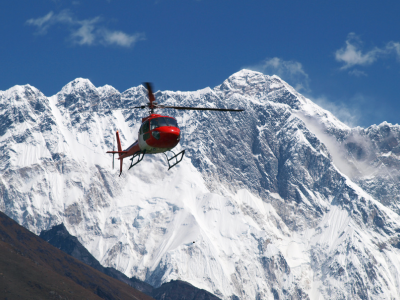
- Mountain Flight - The trek will start with a beautiful mountain flight to Lukla, the gateway to Everest. This mountain flight will be special. Also special is the privilege of seeing the view of the mountains and hills from the sky.
- Teahouse experience - You will sleep and eat Himalayan food in a teahouse managed by the Sherpa community. This may be a new experience. You will hear stories of the Himalayan way of life, and the stories of people climbing mountains.
- Many different landscapes - You will cross suspension bridges, walk through pine and then rhododendron forests, then hiking trails at almost full altitude and snow covered.
- Spiritual and cultural immersion - You will experience Tibetan Buddhist practices, prayer flags, stupas, and the life of people living in the Himalayas.
Route Overview of the Everest Base Camp with Island peak Climbing
Your adventure begins when you arrive at Tribhuvan International Airport in Kathmandu. We will welcome you with distinct hospitality, and then you will travel to a hotel in Thamel. In the evening, you will have time to explore the vivid streets of Thamel, cultural sites, cafes, etc. The next day, we will fly to Lukla, which is only a 35-minute flight away. Once we land, we start a trek to Phakding. The main trek begins once we descend from Lukla, where you will experience a trek through the village of Cheplung. As we trek you will be able to enjoy the view of the Dudh Kosi River, and we will cross a suspension bridge to get to Phakding.
The next day, you will reach Monjo via the Dudh Koshi River. This is the main entry point to the Everest National Park. Here your permit is checked. The journey now proceeds uphill and through pine and rhododendron forests to Namche Bazaar. Here we spend a day here to avoid getting cold, which is considered as an acclimatization day. Thus our journey proceeds. We will continue our journey uphill, looking down at the Dudh Koshi river. The journey itself will be a delight. You will reach Tengboche Monastery, which is the main spiritual center of the Khumbu region, with the view of Ama Dablam. Here you can watch the monks performing their evening pray. This spiritual scene, combined with the view of the mountains, will be very heart touching. We will spend one night in Tengboche.
From Tengboche, we have to descend to reach Dingboche. The journey will proceed through this dense forest. Here, you will have a different feeling in the dense forest. The cold wind will strengthen your spirit. Where can you forget such a journey? Now, after slowly crossing the Imja River, we reach Pangboche village. An old monastery is located here. As this journey advances, we reach Dingboche, which is an old settlement of the Sherpas. Many Sherpas are based on agricultural professions here. You can also see mountains like Ama Dablam, Tapu Peak, and Lhotse from here.
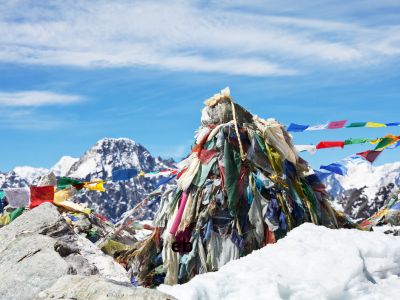
Now we are at a different stage of the journey. From Dingboche to Lobuche. The trek reaches Dughla (Thukla) where you will see memorial chortens dedicated to the climbers who lost their lives on Everest. The trek then ascends along the flanks of the Khumbu Glacier, from where you can enjoy amazing views of Pumori, Lingtrain and Khumbutse.
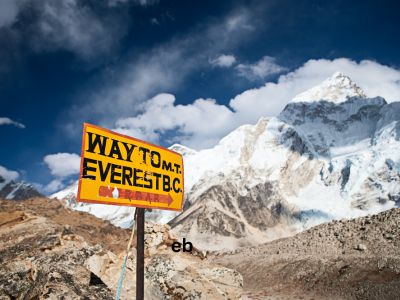
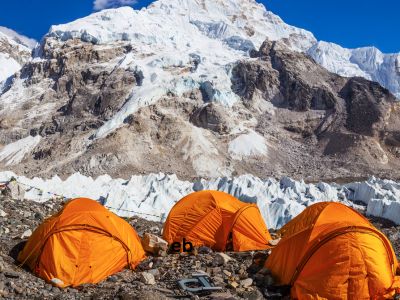
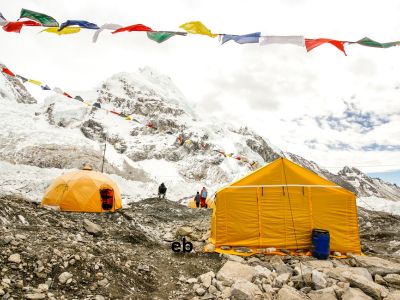
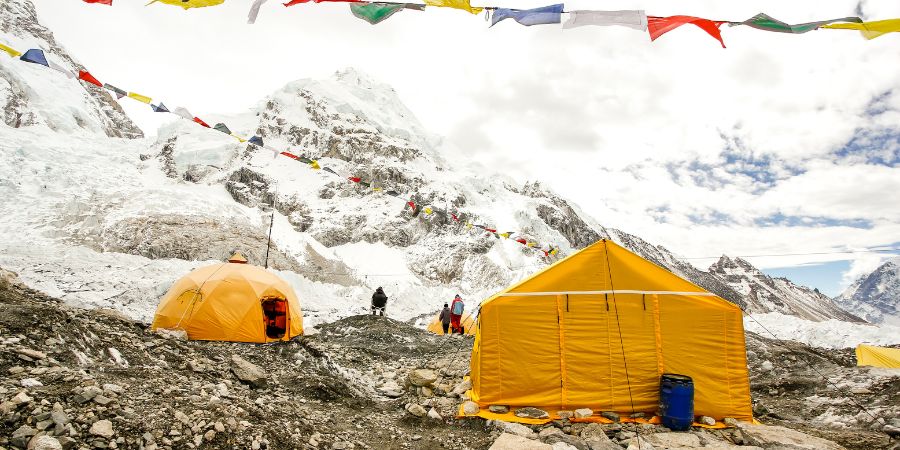
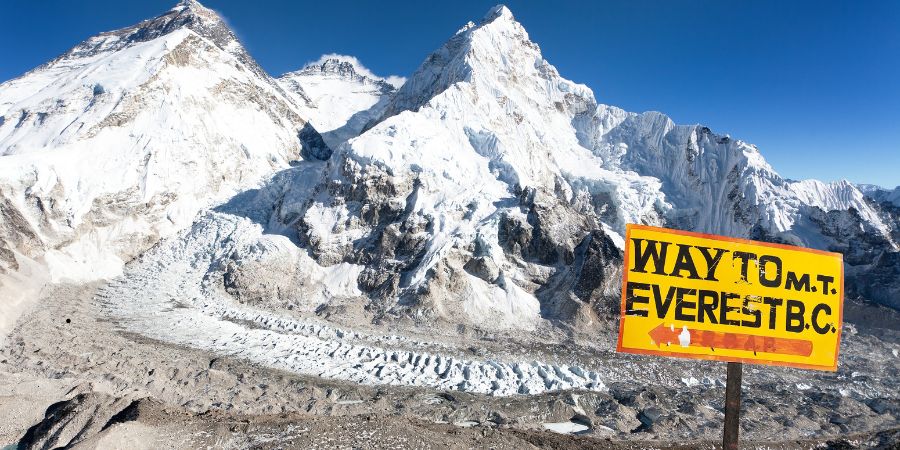
A journey that is unforgettable. The trek from Lobuche to Gorak Shep is along the rugged, rocky terrain of the Khumbu Glacier. We rest for a while at Gorak Shep and then reach the Everest Base Camp. There you will see the Khumbu Icefall, colorful expedition tents (during the climbing season), and breathtaking views of the surrounding peaks. We then return to Lobuche where we spend the night and the next day we trek to the highest point of the trek, Kala Patthar, which is 5,545m.
The path leaves the classic EBC path, and we head toward the Chukung Valley. We can see Island Peak, Amphu Laptsa and, of course, Ama Dablam without anything obstructing the view now. Now we climb Chukung through the Imaja Valley to the Island Peak Base Camp. When we arrive at the base camp, tents will be set up, and your climbing guide will conduct training on equipment, rope skills and climbing safety before you attempt the summit.
The most challenging and rewarding day of the trek is the ascent of Island Peak (6,189m). The trek begins at midnight. We will be guided by Sherpas. You will climb steeply along snow-covered paths. You will be provided with ropes, crampons and a ladder. This will make our climb easier. After a 6-8 hour climb, you will reach the summit of Island Peak (Imza Tse) at 6,189 meters. From the top, you will have panoramic views of Everest, Lhotse, Makalu, Ama Dablam and Baruntse. After celebrating your achievement, you will carefully return to the base camp for rest.
Thus, after climbing Island Peak, our journey returns. We return to Lukla via Pangboche, Namche Bazaar, and finally return to Kathmandu.
Everest Base Camp with Island peak Climbing - 18 Days Itinerary
Everest Base Camp with Island peak Climbing — What to Expect
The Everest Base Camp with Island Peak Climbing trip is a perfect combination of trekking and mountaineering in the heart of the Himalayas. Initially, a trek that leads you to Everest Base Camp, along the way, you will visit Sherpa villages, Buddhist monasteries, and cross high suspension bridges. Every step brings you closer to the world’s highest mountains. For a lot of trekkers, arriving at Base Camp is like a moment of pandemonium, a dream of a lifetime.
You explore Base Camp and relish the views back along the Khumbu Valley, Mount Everest, Lhotse, and Nuptse, before turning your attention to Island Peak. The next section of the trip involves actually climbing (which is more arduous and exciting)! You will climb using ropes, crampons, and an ice axe, but don't be alarmed, it is designed for mountain fit, adventurous people and not expert climbers. You get to the top when the air is cool, so you start hiking early in the morning. When you finally arrive at the summit your view is nothing but spectacular and nothing you will ever forget - you can see Everest, Makalu, Ama Dablam and heaps of other Himalayan giants surrounding you.
In between the treks you need to expect long days hiking, cold weather at altitude and simple, warm hospitality from the tea houses you will stay in. The climb itself (physical exertion) will challenge you, but it is a safe experience run by professionals. More than the climb, the opportunity to camp in Nepal's majestic mountains, tell tales with fellow trekkers, and to experience the cultural and natural beauty of the country will stay with you for a lifetime.
Everest Base Camp with Island peak Climbing Cost—Full Breakdown
Doing the Everest Base Camp trek with Island Peak climbing is an amazing adventure, but it’s good to know the costs before planning. The full trip usually ranges from $2500 to $4000 per person, depending on the company, services, and gear you choose. Destination Unlimited Treks often give better value since everything is managed directly in Nepal.
Here’s a quick breakdown of the main costs:
Most of the cost goes into flights, permits, guides, food, and equipment. If you already have climbing gear, you can save a bit, but it’s best not to cut corners on safety. With Destination Unlimited Treks, your package includes permits, flights, meals, accommodation, and guides, so you can just focus on the climb.
Difficulty and Physical Fitness Required
You don’t have to be a mountaineering expert to complete this trek, but a reasonable level of fitness will help a lot. You will be walking a lot for a number of hours most days, sometimes uphill steeply and sometimes carrying a pack with all your gear.
Altitude can get anyone, even the ones that are extremely fit, so the trek has built-in days of rest and acclimatization so that you have the ability to acclimatize. The gauge is to take it slow, listen to your body, and do not rush particularly at higher sections.
If you walk, hike, and just keep active you will be fine. These treks are not really for people who are not comfortable putting long days on their feet or physical things that are difficult. It can be a challenge, but looking around the views, and when you reach Island Peak and Everest Base Camp will put a "why" answer to the head scratching of every step.
Permits Required for the Everest Base Camp with Island peak Climbing
Before you start your journey to Everest Base Camp and climbing Island Peak, is there travel permits in place? You need to have travel permits not only for rule of thumb but also for safety and support while on the trail. Destination Unlimited Treks has you covered for all the travel permits! That's fantastic news because you don't need to place your self in a queue to organize the paper work and permits. Just keep multiple copies of these permits on you, both printed and saved as a picture file on your phone just in case you require these permits along the way.
Preparing all the travel permits before hand thus makes the trek and climbing establishments a seamless and hassle free process, eliminating any time wasted or stress involved in managing travel permits, allowing every one to focus on the mountains and adventure rather than administration.
These permits make your trek and climb legal and smoother. Keep both printed and digital copies with you during the journey.
Everest Base Camp with Island peak Climbing vs. Other Treks / Peak climbing in Everest Region
Everest Base Camp with Island Peak Climbing differs from many of the other treks in the Everest region because it combines both trekking and true mountaineering. When you do the trek to Island Peak you first hike the classic skirt of Everest Base Camp, through Namche Bazaar, Tengboche and all the famous villages. This section is essentially the classic EBC trek - cultural, scenic, and beautiful Himalayan views.
But once you reach Island Peak, you get more serious. With treks such as Gokyo, the Gokyo Lakes, or Three Passes, you do more trekking than climbing. With Island Peak, you are actually going to be climbing. You will be using crampons, ropes and an ice axe. You will get a sample of climbing a true Himalayan peak without the full-on commitment of Ama Dablam or Lobuche East.
Many other treks in the Everest region are more focused on landscapes and culture. For example, Gokyo is well known for turquoise lakes, 3 Passes is well known for adventure trekking, and Everest Base Camp simply takes you very close to the world’s tallest mountain. With Island Peak, there is another layer of complexity - you still have to be fit, but it takes you into climbing and mountaineering, not just hiking.
So, if you want more than "just trekking" and want to accomplish standing on the summit of a Himalayan peak, Everest Base Camp with Island Peak Climbing is a great compromise.
What is the best season for Everest Base Camp with Island peak Climbing ?
If you plan to do Everest Base Camp with Island Peak Climbing, picking the right season really matters. Weather, trail condition and visibility make a big difference, and some months just better for trekking and climbing than others.
- Spring (March to May): This is the most popular time. The weather is nice, flowers start blooming, and you get amazing views of Everest and all the peaks. Trails bit busy but lively.
- Autumn (September to November): Another good season. After monsoon skies clear up, perfect for photos and climbing. Temperature cooler but comfortable for walking long days.
- Winter (Dec to Feb): Very cold at higher altitude, snow can make some passes tricky. Trails quiet, but you need more gear and prep.
- Monsoon (June to August): Not really recommended. Heavy rain, slippery trails, landslides, so it can be dangerous.
Mostly, spring and autumn are the best months. You get good weather, great views and safer trails, which make the whole trek and climb way more enjoyable.
Trip Essentials And Trip Information
Before you go on Everest Base Camp and Island Peak Climbing, it’s good to get a few things sorted. Having the basics ready makes the trek smoother and less stressful. From visas to money and travel insurance, here’s what you need to know.
- Visa for Nepal
If you’re not from India, you’ll need a tourist visa. You can get it easily on arrival at Kathmandu airport. A 15-day visa costs about $30, and your passport should be valid at least 6 months. - Money & Exchange
Nepal uses the Nepali Rupee (NPR). You’ll need cash for tea houses, snacks, tips, and small extras like Wi-Fi or hot showers. Exchange your money or withdraw cash in Kathmandu, since ATMs are limited along the trekking route. - Travel Insurance
Travel insurance is a must. Make sure it covers high-altitude trekking, emergency helicopter evacuation, and medical treatment. It’s not expensive and can save a lot of trouble if something unexpected happens. - Other Essentials
Pack proper trekking shoes, warm clothing, a good backpack, and personal items. A water bottle, trekking poles, and a headlamp can make life easier on long trekking days. Having these ready helps you focus on the adventure instead of worrying about missing things.
How To Book This Trek?
Booking your Everest Base Camp with Island Peak Climbing with Destination Unlimited Treks is really simple. We try to plan everything before you arrive so you can just enjoy the trek without worrying about the details.
First, you can contact us through our website, email, or even WhatsApp. We reply pretty fast and happy to answer any questions you got before you confirm.
Next, you tell us when you want to start. We can help pick the best dates based on weather, your schedule, and flight availability to Lukla.
After that, we’ll send you all the details — what’s included, what’s not, permits, flights, accommodation, meals, guides, porters — basically everything you need.
When you’re happy with it, a small deposit of around 20% will secure your trek. You can pay online, by bank transfer, or sometimes in person when you reach Kathmandu.
Once booked, we’ll send you a packing list, trekking tips, and all info to get ready. With Destination Unlimited Treks, you don’t just book a trek, you get everything planned so you can just focus on the mountains and the climb.