
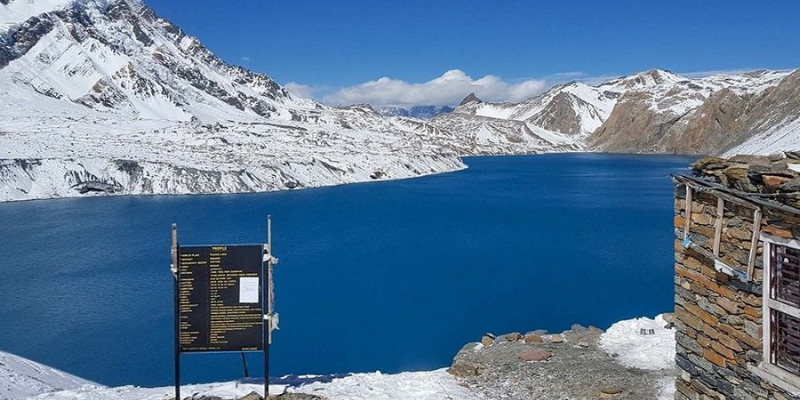
Kang La Pass vs Thorong La Pass: What to Expect on the Nar Phu Trek
The Nar Phu Valley Trek is one of Nepal’s most unique Himalayan journeys—a trail filled with raw wilderness, Tibetan culture, and high mountain adventure. What makes this trek even more special is that you don't cross just one high pass—you cross two of the most iconic passes in the Annapurna region: Kang La Pass (5,320m) and Thorong La Pass (5,416m).
Both passes are stunning, challenging, and rewarding in different ways. But trekkers often wonder: Which one is harder? Which one is more scenic? What exactly should I expect on each section of the trek?
In this detailed guide, we break down everything you need to know about Kang La Pass vs Thorong La Pass so you can fully prepare for your Nar Phu adventure. If you're planning this trek with Destination Unlimited Treks, knowing these details will help you enjoy the journey with confidence and excitement.
What Makes the Nar Phu Trek Different?
Before comparing the passes, it’s important to understand the nature of the Nar Phu Valley Trek. Unlike the classic Annapurna Circuit, the Nar Phu route takes you into restricted, untouched valleys where Tibetan culture thrives in its purest form. Everything feels different—from the landscapes to the pace of life in Nar and Phu villages.
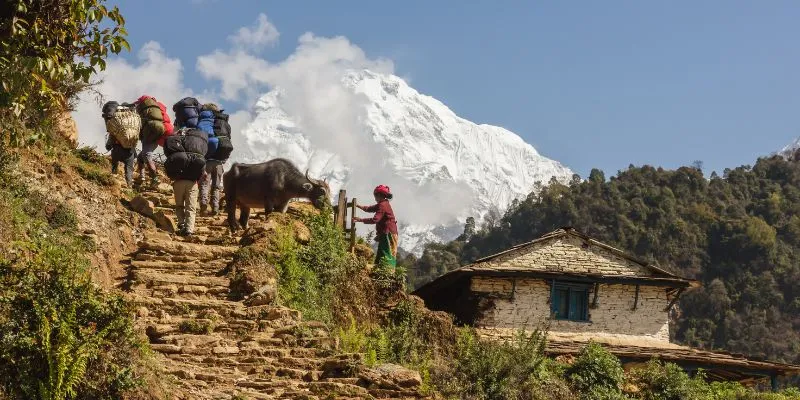
You start by leaving the busy Annapurna trail at Koto (2,600m) and enter a much more remote world filled with canyon-like cliffs, swinging bridges, yak pastures, chortens, prayer wheels, and small stone-built settlements.
This setting creates a perfect backdrop for two high mountain pass crossings that bring a mix of thrill, fear, beauty, and achievement.
Kang La Pass (5,320m): The Wild and Scenic Gateway
Where it lies
Kang La Pass connects Nar village (4,110m) to the Upper Pisang side of the Annapurna region. It is the high point that brings you back from the isolated Nar Valley to the main circuit trail.
When you stand on top of Kang La Pass, you get the feeling of leaving a hidden world behind and re-entering the larger, majestic Annapurna universe.
The trail experience
The climb
The climb to Kang La Pass begins early in the morning from Nar. The initial section is gentle, passing through open fields, small streams, and yak-grazing areas. Gradually, the trail becomes steeper with rocky steps and patches of snow depending on the season.
As you go higher, the landscape opens dramatically:
- Sandy ridges
- Wind-eroded cliffs
- Glacier lines in the distance
- Silent valleys stretching behind you
Trekkers often describe this climb as physically demanding but spiritually uplifting.
The final push
The last 45 minutes to the top can feel very tough due to altitude and cold winds. The air gets thin and breathing becomes slow and heavy. But every step brings bigger mountain views, motivating you to push further.
What you see from the top
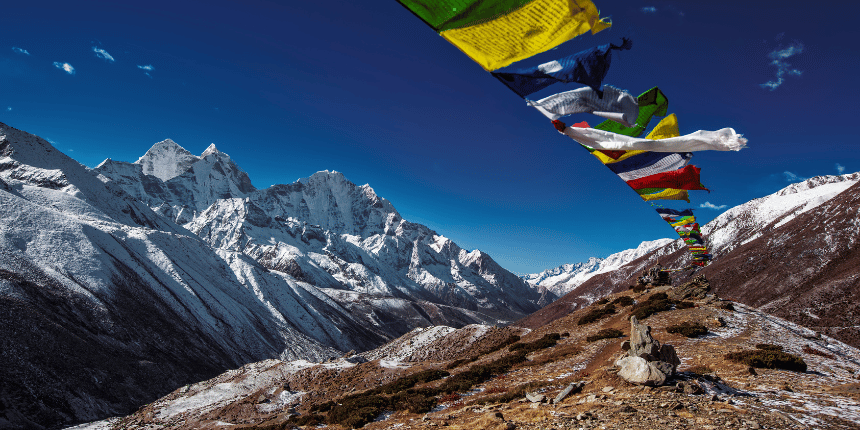
Kang La Pass is famous for its panoramic Himalayan views. From the top, the world opens like a gigantic painting.
You can see:
- Annapurna II, III, and IV
- Tilicho Peak
- Gangapurna
- Pisang Peak
- Long glaciers and ridges stretching across the sky
On a clear day, this is one of the best Himalayan viewpoints in Nepal, far less crowded than Poon Hill, Thorong La, or Kala Patthar.
Difficulty Level: Moderate to Challenging
Kang La Pass is tough, but not extreme. The main challenges include:
- High altitude
- Cold winds
- Steep climbs
- Rocky and sometimes slippery terrain
Trekkers who have done it describe it as challenging but achievable with proper pacing and acclimatization.
What makes Kang La Pass special
- It's very remote and peaceful
- Less crowded than Thorong La
- Incredible photo opportunities
- Unique feeling of leaving a hidden valley
- A culturally rich approach through Nar village
If you love raw, untouched mountain landscapes, Kang La Pass will easily become the highlight of your trek.
Thorong La Pass (5,416m): The Legendary Himalayan Crossing
Where it lies
Thorong La Pass sits between Manang and Muktinath, connecting the eastern and western sides of the Annapurna Circuit. It is one of the highest trekking passes in the world and is known globally for its beauty and difficulty.
While Kang La Pass feels remote and wild, Thorong La feels grand, historic, and challenging.
The trail experience
The climb
The trek to Thorong La begins from Thorong Phedi or High Camp. Most trekkers start at 3–4 am because the winds get stronger later in the day.
The early morning climb includes:
- Long zigzag routes
- Rocky, icy paths
- Breathlessly steep sections
- Bright stars and headlamp lights sparkling like fireflies
This sense of adventure makes Thorong La unforgettable.
The high altitude struggle
Thorong La is slightly higher than Kang La, and many trekkers feel the altitude more intensely here. You might experience:
- Slower breathing
- Heavy footsteps
- Cold temperatures (sometimes −15°C or lower)
- Strong winds near the top
But the good news is that the path is well-marked and thousands cross it successfully every year.
What you see from the top
The top of Thorong La offers:
- Snow-covered ridges
- Endless Himalayan walls
- The Kali Gandaki valley stretching into Mustang
- Peaks around Yakawa Kang and Thorong Peak
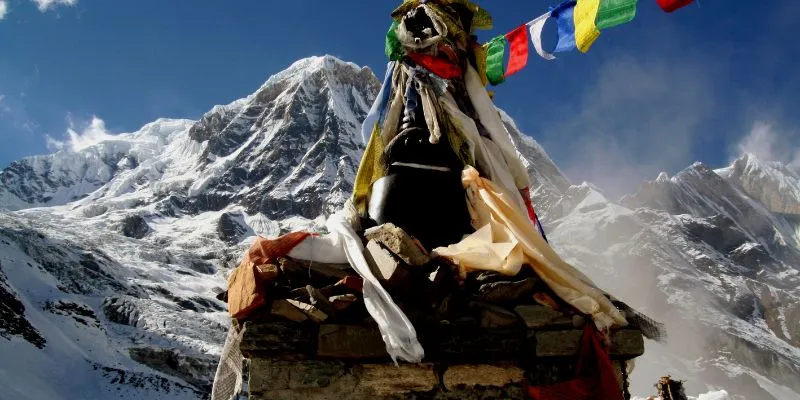
And maybe the most iconic thing—the Thorong La Pass signboard with prayer flags flapping in the icy wind.
For many trekkers, touching this signboard is the moment they feel like true Himalayan adventurers.
Difficulty Level: Challenging
Thorong La Pass is harder than Kang La for most people.
Why?
- Higher altitude
- Longer climb (7–9 hours)
- Colder temperatures
- Stronger winds
- Busier trail
This is a pass that demands both physical and mental strength. Proper acclimatization days in Manang are essential.
What makes Thorong La Pass special
- One of the highest trekking passes in the world
- The feeling of being part of the iconic Annapurna Circuit
- Beautiful sunrise lighting up the mountains
- Reaching the sacred temple of Muktinath afterward
- A deep sense of achievement
If Kang La feels like a hidden gem, Thorong La feels like a Himalayan badge of honor.
Kang La Pass vs Thorong La Pass: A Side-by-Side Comparison
Which Pass Is Harder?
In simple words:
👉 Thorong La Pass is harder overall due to its altitude, long climb, colder temperatures, and wind exposure.
But don’t underestimate Kang La—its steep sections and remote terrain can be just as demanding.
Many trekkers say:
“Kang La felt more beautiful. Thorong La felt more difficult.”
Which Pass Is More Beautiful?
This depends on personal preference:
- 🌄 Kang La Pass → More dramatic, untouched, photogenic, and peaceful
- 🏔 Thorong La Pass → Bigger mountain ranges and classic Annapurna views
If you love wild landscapes, Kang La will win your heart.
If you love grand Himalayan panoramas, Thorong La will impress you deeply.
How Destination Unlimited Treks Makes It Safe and Enjoyable
Crossing two 5,000m+ passes in one trek requires proper planning, pacing, and safety measures. With Destination Unlimited Treks, trekkers get:
- Well-planned acclimatization days
- Experienced guides trained for high-altitude safety
- Correct pacing during steep climbs
- Weather-adjusted itineraries
- Supportive team members who help in difficult sections
- Proper gear suggestions before the trek
Their guides are familiar with every corner of Nar, Phu, Kang La, and Thorong La, ensuring both safety and an unforgettable experience.
Best Time to Trek
The two best seasons are:
- Autumn (Sept–Nov)
- Spring (Mar–May)
During these months, the skies are clear, the winds are calmer, and the mountain views are brightest. Winter can be extremely cold and snowy, making the passes risky.
Final Thoughts: Which Pass Will You Love More?
If you're planning the Nar Phu trek, you’re already choosing one of Nepal’s most extraordinary adventures. Crossing Kang La Pass and Thorong La Pass gives you the rare chance to experience both remote Himalayan wilderness and classic Annapurna beauty in one journey.
- Kang La is wild, scenic, and peaceful.
- Thorong La is iconic, challenging, and powerful.
Both are unforgettable—but together, they create one of the most rewarding trekking experiences in Nepal.
Whether you're doing this trek for the thrill, the culture, or the mountain views, trekking with Destination Unlimited Treks ensures you’ll experience the Nar Phu region safely and deeply.
If you're preparing for the adventure of a lifetime, this might be the perfect trek for you.
User Comments and Reviews